


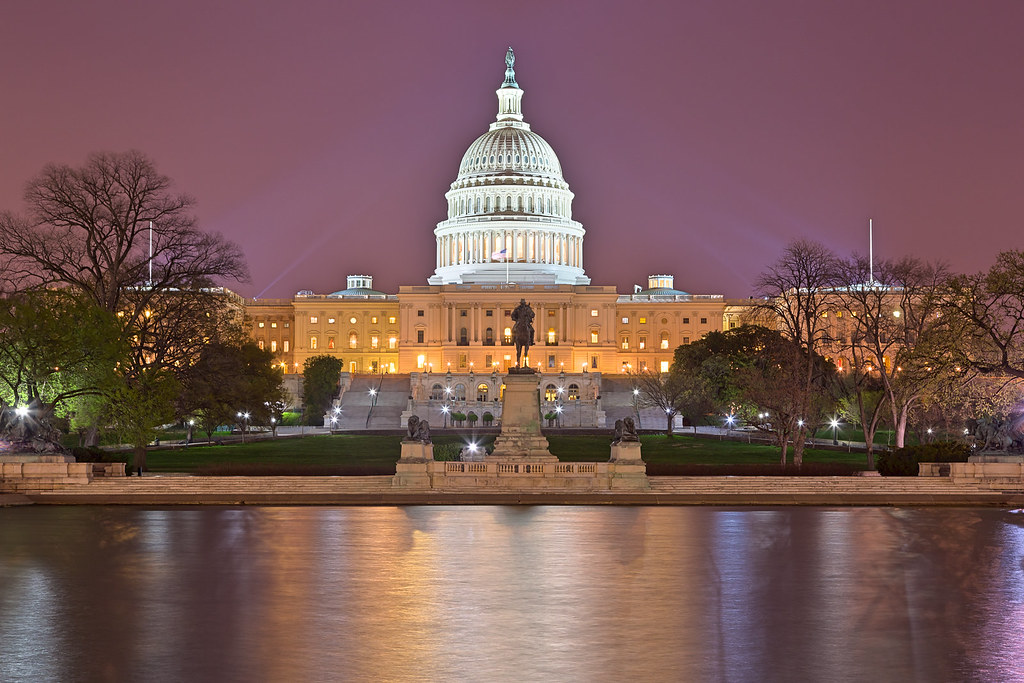

The State of the Union address is a moment when the nation pauses to reflect on where we are and where we’re headed. For Christians, it’s an opportunity to consider how our faith shapes the way we engage with politics. While our ultimate hope is in Christ and His eternal kingdom, we are also called to be salt and light in the world, which includes participating in the public square. Here are seven key moments from last night’s address that Christians should consider prayerfully and thoughtfully:
1. The Call for Unity Amid Division
The President urged Americans to come together despite our differences, a message that resonates deeply with the Christian call to love our neighbors as ourselves (Matthew 22:39). In a time of political polarization, this is a reminder that unity doesn’t mean uniformity, but it does mean seeking peace and understanding, even with those who disagree with us. As Christians, we should ask ourselves: Are we contributing to unity, or are we adding to division?
2. Honoring Heroes
One of the most moving moments of the night was the recognition of Royce Williams, a military veteran whose bravery during the Korean War went unrecognized for decades. Scripture tells us to honor those to whom honor is due (Romans 13:7), and this moment was a powerful reminder to express gratitude for the sacrifices of those who serve. Christians should lead the way in showing appreciation for the courage and dedication of those who protect our freedoms.
3. Acknowledging the Sanctity of Life
The President highlighted the importance of protecting life, referencing policies aimed at safeguarding the unborn and supporting families. For Christians, this is a cornerstone issue rooted in the belief that every human being is created in the image of God (Genesis 1:27). It’s a reminder to continue advocating for life at every stage and to support policies that uphold the dignity of all people.
4. The Role of Government in Justice and Mercy
The address touched on issues of national security, immigration, and foreign policy, including efforts to combat terrorism and address international conflicts. While these are complex issues, Christians are called to seek both justice and mercy (Micah 6:8). As we reflect on these policies, we should pray for wisdom for our leaders and advocate for solutions that balance the need for security with compassion for the vulnerable.
5. The Dangers of Pride and Partisanship
A recurring theme throughout the address was the deep divide between political parties, with moments of applause and silence often falling along partisan lines. Proverbs 16:18 warns us that “pride goes before destruction,” and partisanship rooted in pride can blind us to truth and hinder progress. Christians should strive to be peacemakers (Matthew 5:9), seeking common ground without compromising biblical principles.
6. The Importance of Truth in Leadership
The State of the Union is a platform for leaders to cast vision and rally support. As Christians, we are reminded of the importance of truth in leadership. Proverbs 29:12 says, “If a ruler listens to falsehood, all his officials will be wicked.” We should pray for our leaders to speak truthfully and act justly, and we should hold them accountable when they fall short.
7. A Reminder of Where Our Hope Lies
Perhaps the most important takeaway from the State of the Union is a reminder that, while politics matters, it is not ultimate. As Christians, our hope is not in any political leader or party but in Christ and His eternal kingdom. Philippians 3:20 reminds us, “Our citizenship is in heaven, and from it we await a Savior, the Lord Jesus Christ.” No matter the political climate, we can rest in the assurance that God is sovereign over all.
Final Thoughts
The State of the Union is a significant moment in our nation’s political life, but for Christians, it is also an opportunity to reflect on how our faith informs our engagement with the world. As we consider the policies and rhetoric presented, let us remember to pray for our leaders (1 Timothy 2:1-2), seek justice and mercy, and place our ultimate hope in Christ.