

What Is the Doomsday Clock and Why Does It Matter?
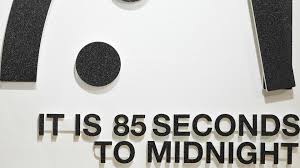
“It is 85 seconds to midnight.”
These were the words announced by the Bulletin of the Atomic Scientists in January 2026. For nearly 80 years, this symbolic clock has served as a measure of how close humanity might be to catastrophic self-destruction. But what exactly is the Doomsday Clock, and why does it matter today?
What Is the Doomsday Clock?
The Doomsday Clock was introduced in 1947 by the Bulletin of the Atomic Scientists, a group of researchers who had worked on the Manhattan Project during World War II. The clock is not a physical timepiece but a metaphorical one, symbolizing how close humanity is to global catastrophe. Midnight represents the point at which life on Earth becomes unsustainable.
Initially, the clock focused on the threat of nuclear war, but over time its scope has expanded to include other existential risks, such as:
- Climate change
- Biological threats, such as pandemics
- Technological advancements, including artificial intelligence
- Misinformation and disinformation, which can erode trust and cooperation
In 2026, the clock was set to 85 seconds to midnight—the closest it has ever been. This adjustment reflects escalating concerns about nuclear tensions, climate inaction, and the rapid development of technologies that could have unintended consequences.
Why Was the Clock Moved Closer to Midnight?
The decision to move the clock closer to midnight was based on a combination of factors, as outlined by the Bulletin of the Atomic Scientists:
- Nuclear Risks: The expiration of the last remaining treaty governing nuclear weapons stockpiles between the U.S. and Russia has heightened fears of a renewed arms race. Ongoing military conflicts involving nuclear-armed nations have also increased concerns about potential escalation.
- Climate Crisis: Despite growing awareness of climate change, efforts to reduce carbon emissions and transition to sustainable energy sources have not kept pace with the urgency of the crisis. Rising global temperatures and extreme weather events continue to pose significant risks.
- Technological Threats: Advances in artificial intelligence and other disruptive technologies offer great potential but also carry risks if misused or left unregulated.
- Misinformation and Disinformation: The widespread dissemination of false information has undermined trust in institutions and made global cooperation on critical issues more challenging.
Together, these factors paint a picture of a world facing unprecedented challenges, requiring urgent action and collaboration to prevent catastrophe.
Generational Awareness of the Doomsday Clock
Interestingly, awareness of the Doomsday Clock differs across generations. For those who lived through the Cold War, the clock was a stark reminder of the ever-present threat of nuclear war. It was a symbol of the stakes involved in global diplomacy and the fragile balance of power.
Younger generations, however, may not be as familiar with the clock. In a world dominated by fast-paced news cycles and immediate concerns, the concept of a symbolic clock might feel distant or abstract. Yet, the risks it represents—climate change, pandemics, and technological disruption—are very real for today’s youth.
This generational gap raises an important question: How can tools like the Doomsday Clock be used to spark meaningful conversations about our shared future?
A Broader Perspective: What Does It Mean?
While the Doomsday Clock is not a definitive prediction of the future, it serves as a wake-up call for humanity. It’s a reminder of the interconnectedness of the challenges we face and the importance of collective action.
For people of faith, the clock also offers an opportunity for reflection. It highlights the need to care for creation, pursue peace, and trust in something greater than ourselves. Whether through environmental stewardship, advocacy for peace, or simply fostering understanding in our communities, there are ways to respond to the challenges the clock represents.
A Time for Reflection
The Doomsday Clock is a powerful symbol, but it’s just that—a symbol. It doesn’t dictate our future or determine our fate. Instead, it serves as a reminder of the choices we face as a global community.
Whether you view the clock as a wake-up call or a symbolic measure of human vulnerability, its message is clear: the future is shaped by the decisions we make today. By working together, staying informed, and striving for peace and sustainability, we can help move the hands of the clock further from midnight.
In times of uncertainty, it’s worth remembering that while the challenges may feel overwhelming, they are not insurmountable. The Doomsday Clock reminds us of what’s at stake—but it’s up to us to determine what happens next.
Key Takeaways:
- The Doomsday Clock is a symbolic measure of humanity’s proximity to global catastrophe.
- In 2026, the clock was set to 85 seconds to midnight, reflecting heightened risks from nuclear tensions, climate inaction, and technological threats.
- While the clock serves as a warning, it also offers an opportunity for reflection, collaboration, and action to address global challenges.
Final Note
With the world facing such complex issues, the Doomsday Clock is a reminder of the importance of both individual and collective responsibility. Whether through environmental action, fostering peace, or engaging in meaningful conversations, we all have a role to play in shaping a better future.
Sources for Contextual Facts:
- Bulletin of the Atomic Scientists: Doomsday Clock Timeline
- Bulletin of the Atomic Scientists: 2026 Doomsday Clock Statement
- Wikipedia: Doomsday Clock
- Physicians for Social Responsibility: Doomsday Clock 2026