




Christianity has always been more than sermons and Sunday services. It’s a way of life that touches everything we do—including the shows we watch, the music we listen to, the books we read, and even the teams we cheer for. In a world where media is constant and influence is powerful, followers of Jesus are called not to retreat from culture, but to live as “salt and light” within it (Matthew 5:13–16).
What does that look like in the worlds of entertainment, media, and sports? Let’s explore how Christian culture is shaping these areas, and how we as believers can both discern and participate in what we consume and create.
Top Books by Christian Leaders (2023-2025)
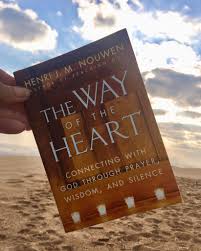
- “The Way of the Heart” by John Ortberg
- Focuses on spiritual growth and the importance of solitude and silence in a noisy world.
- “Live No Lies” by John Mark Comer
- Explores the concept of truth and how to combat the lies that can lead believers astray.
- “The Ruthless Elimination of Hurry” by John Mark Comer
- Discusses the dangers of a hurried lifestyle and offers practical advice for slowing down.
- “God’s Crime Scene” by J. Warner Wallace
- A detective’s perspective on the evidence for God’s existence and the case for Christianity.
- “When Faith Fails” by Michael J. McCullough
- Addresses doubts and struggles in faith, providing insights and encouragement for believers.
- “The Good Life” by John Ortberg
- A guide to living a fulfilling and meaningful life through faith and community.
- “Praying Through the Bible” by David Jeremiah
- Offers a structured approach to prayer, focusing on the themes of each book of the Bible.
- “The Bible for Normal People” by Peter Enns and Jared Byas
- A fresh take on understanding the Bible, making it accessible for everyday readers.
- “A Way with Words” by Eugene Peterson
- Explores the power of language and storytelling in faith and communication.
- “Faithful Presence” by David E. Fitch
- Discusses how Christians can embody the presence of Christ in their communities.
1. Christian Entertainment: More Than “Clean,” Pointing to Christ
For many years, “Christian entertainment” was often defined by what it wasn’t: not crude, not explicit, not offensive. While purity and wholesomeness matter deeply, Christian creativity is called to something more than just avoiding bad content. It’s about telling the truth—about God, humanity, sin, grace, and redemption—through stories, songs, films, and art.
Faith on the Screen
The rise of faith-based films and series has shown that there is a real hunger for stories that honor God and reflect biblical values. When done thoughtfully, Christian movies and shows can:
- Present the gospel in winsome, relatable ways
- Offer hope to people walking through grief, addiction, or brokenness
- Spark spiritual conversations among families, friends, and churches
But like any art form, Christian media can fall into clichés or shallow storytelling. The challenge for Christian creators is to pursue excellence—beautiful cinematography, honest dialogue, real struggle—while still pointing to the deeper hope we have in Christ. Philippians 4:8 gives a good grid for this: whatever is true, honorable, just, pure, lovely, commendable—think about these things. Great Christian art doesn’t gloss over the darkness of the world; it shows how the light of Christ pierces it.
Music That Ministers to the Heart
Christian music has seen explosive growth across genres—worship, hip-hop, rock, gospel, singer-songwriter. These artists do more than fill our playlists; they give language to our prayers, our pain, and our praise.
Worship songs help us “let the word of Christ dwell in [us] richly” (Colossians 3:16), reminding us of God’s character and promises. Christian artists can be modern-day psalmists, singing of:
- Lament in suffering
- Joy in God’s presence
- Repentance and grace
- Hope in the resurrection
The test of good Christian music isn’t just whether it mentions God; it’s whether it is theologically grounded, spiritually honest, and artistically excellent. Music that exalts Christ and aligns with Scripture can be a powerful tool for spiritual formation.
2. Navigating Secular Media with a Biblical Lens
Christians live in a media-saturated world. We’re constantly surrounded by movies, TV shows, podcasts, YouTube channels, social media, and more—most of which are not created from a Christian worldview. So how do we engage without either mindlessly absorbing or fearfully avoiding?
Discernment Over Withdrawal
Jesus prayed not that His followers would be taken out of the world, but that they’d be protected from the evil one (John 17:15). This means believers are called to live in the real world, with real culture, but with renewed minds (Romans 12:2).
Some helpful questions to ask about the media we consume:
- Does this content normalize or celebrate what God calls sin?
- Does it dull my sensitivity to the Holy Spirit?
- Does it shape my view of relationships, identity, or success in a way that opposes Scripture?
- Does it stir my affections toward Christ, or away from Him?
Not every show or song needs to be explicitly Christian for a Christian to learn from it. Many stories—about sacrifice, justice, courage, forgiveness—echo biblical themes, even if they never name Jesus. But we must be honest when something is not just “neutral,” but spiritually harmful.
Being a Witness in the Digital World
Media isn’t just what we consume; it’s also what we create and share. Every post, comment, share, and like says something about what we value.
As believers, we can ask:
- Does my online presence reflect the fruit of the Spirit (Galatians 5:22–23)?
- Do I use my platform—however small or large—to build up, or to tear down?
- Am I more eager to win arguments than to win people?
Christians in media—journalists, YouTubers, podcasters, writers—have a special opportunity to bring truth and grace into spaces that can often be harsh, cynical, or shallow. We don’t have to be preachy to be faithful; we can demonstrate integrity, fairness, compassion, and courage in how we communicate.
3. Christian Athletes: Competing for a Higher Glory
Sports occupy a massive place in modern culture. Stadiums fill up, global events dominate screens, and athletes become heroes to millions. For Christian athletes, the field, court, track, or arena becomes a mission field and a place of worship.
Playing for an Audience of One
The Bible uses athletic imagery often—running the race, fighting the good fight, striving for a crown (1 Corinthians 9:24–27; 2 Timothy 4:7–8). These pictures remind us that discipline, perseverance, and focus matter in the Christian life.
Christian athletes who understand their identity in Christ can:
- Compete fiercely without making their performance their worth
- Handle victory with humility and defeat with perspective
- Use interviews and public attention to honor God, not themselves
Colossians 3:23 applies perfectly to sports: “Whatever you do, work heartily, as for the Lord and not for men.” When a believer steps into competition, they’re not just chasing trophies; they’re demonstrating what it looks like to pursue excellence under the lordship of Christ.
Influence Beyond the Game
High-profile Christian athletes often have more influence than many pastors. Their testimonies, marriages, injuries, comebacks, and public failures are all watched and discussed. This is a sobering responsibility.
Faithful Christian sports figures can:
- Speak openly about their dependence on God, not just in success but in hardship
- Model servant leadership on their teams
- Invest in community projects, charities, and mentorship programs that reflect the heart of Jesus for the poor, the young, and the marginalized
- Share the gospel personally with teammates and fans
The world may applaud them for their stats, but God is watching their hearts. Whenever an athlete bows in prayer, gives credit to Christ, or chooses integrity over compromise, they point to a kingdom where the last will be first.
4. Our Role as Christian Consumers and Creators
It’s easy to talk about “Christian culture” as if it’s something happening out there—what artists, filmmakers, journalists, and athletes are doing. But Christian culture is also shaped by ordinary believers making daily choices in living rooms, classrooms, offices, and churches.
What We Reward, We Multiply
Every ticket we buy, every stream we play, every view we give is a vote. When we support content that is Christ-exalting, truthful, and beautiful, we help it reach more people. When we repeatedly choose content that grieves the Spirit, we not only feed our own flesh but help sustain an industry that profits from darkness.
Practical steps:
- Intentionally support Christian artists, filmmakers, and athletes who honor God
- Talk with your family and friends about what you’re watching and why
- Turn off or walk away from content that clearly opposes Christ’s teachings
- Use your church community to discover and recommend helpful resources
Called to Create, Not Just Consume
Some reading this feel a nudge: you’re not just called to watch or listen—you’re called to make. Maybe God is stirring you to:
- Write stories, scripts, or songs
- Start a podcast or YouTube channel
- Train as an athlete with a clear gospel purpose
- Study journalism, film, design, or communications
If that’s you, remember: your first calling is to abide in Christ (John 15:5). Deep roots in Him fuel honest, powerful creativity. The Christian world doesn’t need more “knockoff” versions of secular trends; it needs Spirit-filled believers who bring original, excellent work shaped by a biblical worldview.
Ask the Lord, “How do You want to use my gifts in this cultural moment?” Then take small, faithful steps in obedience.
Conclusion: Shine Bright Where God Has Placed You
Entertainment, media, and sports are not neutral ground. They are arenas where worldviews are formed, identities are shaped, and values are taught. In all of this, Jesus is still Lord. He is Lord over film sets and recording studios, over newsrooms and social feeds, over locker rooms and stadiums.
As His followers, we’re invited to:
- Engage with discernment
- Support what is true, good, and beautiful
- Live and speak as witnesses in every sphere God gives us
“Whatever you do, in word or deed, do everything in the name of the Lord Jesus” (Colossians 3:17). That includes what we watch, what we share, how we play, and what we create.
Consider this your call-to-action:
Ask the Holy Spirit today, “Lord, how can I honor You more in the culture I consume and the culture I create?” Then take one practical step—change a viewing habit, support a Christ-centered creator, start a project, or share your faith where you already have influence.
You are part of the story God is writing in our culture. Walk into it with courage, conviction, and the hope of Christ.