

This is the kind of foreign-policy moment where Christians can’t afford to be either gullible or bloodthirsty. A “total blockade” sounds decisive in a headline, but it’s also the sort of language that can slide a nation from pressure into war—and it raises a moral question the Church should insist on asking out loud: What, exactly, is the goal—and is it righteous?
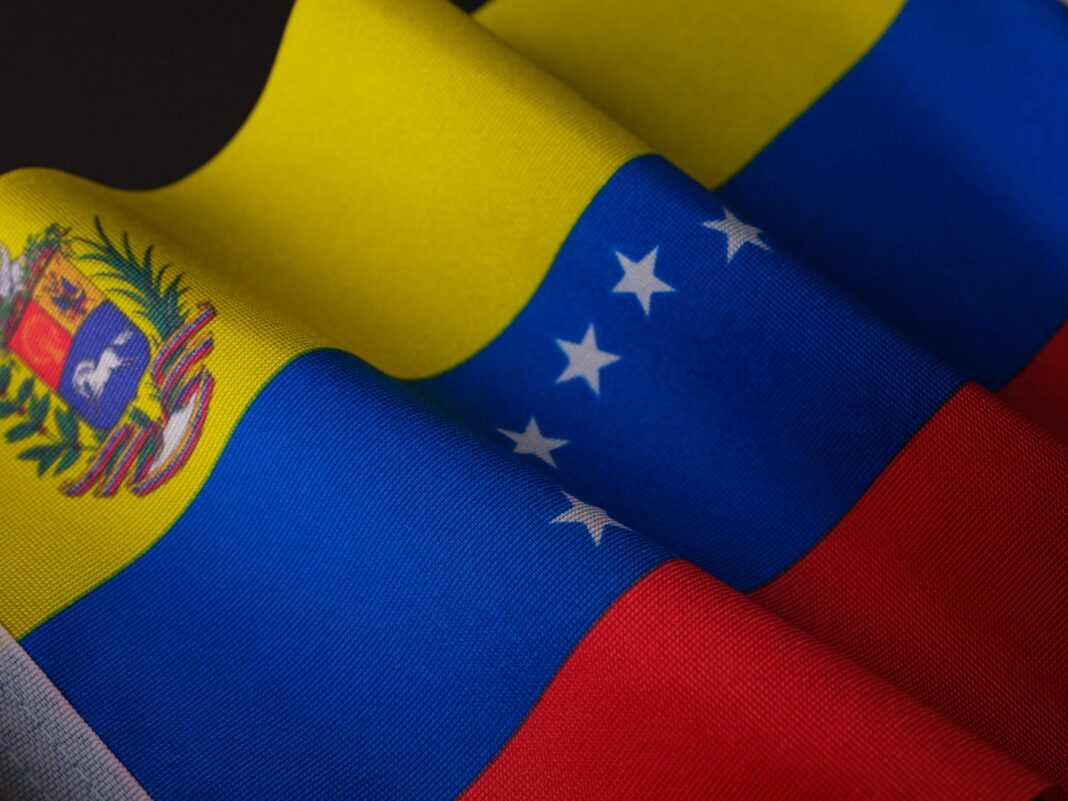
According to CNN, President Donald Trump said Tuesday he is ordering a “total and complete blockade” of sanctioned oil tankers traveling to and from Venezuela, escalating pressure on Nicolás Maduro’s regime. CNN also reports that Trump’s rhetoric emphasized Venezuela’s oil and even implied the country should “return” oil, land, and other assets to the United States. That framing matters, because it sounds less like a narrow security mission and more like an economic and regime-pressure campaign with resource language close to the surface.
Let’s say the quiet part plainly: a blockade is not a press release. It’s coercion with real-world consequences. And Christians—especially Christians who want to be taken seriously in public life—should evaluate coercion as coercion, not as a vibe, a slogan, or a partisan loyalty test.
Two Storylines, One Policy
There are two storylines running at the same time here. The first is the official-sounding justification: counter-narcotics operations and regional security. Nations do have a responsibility to restrain evil and protect their people, and transnational criminal networks are not imaginary. The second storyline is the one CNN says is being telegraphed through rhetoric and reporting: oil, leverage, and pressure on Maduro to step aside. Those motives are not merely political commentary. Motives become methods, and methods determine who gets hurt.
A Christian moral framework—often described as just-war thinking—doesn’t require pacifism. It does require honesty. It forces questions modern politics tries to skip, especially when leaders reach for tools that can quickly escalate.
The Questions Christians Should Be Asking
First: what is the just cause? Countering drug trafficking can plausibly qualify as a protective aim. But punishing a regime because we covet its resources does not. If “we want their oil” becomes the felt rationale—even if it is wrapped in security language—then we have drifted from justice into plunder logic. Christians should not baptize plunder with a flag.
Second: what is the intention? The aim of morally justified force is a more just peace, not national enrichment. Even if Maduro’s regime is corrupt (and there are serious reasons many believe it is), that does not give the United States moral title to another nation’s oil. When leaders talk like the point is to “get back” another nation’s assets, they hand critics the easiest argument imaginable: that American foreign policy is simply extraction with better branding.
Third: who pays the price? Blockades and economic strangulation rarely land first on presidents and party elites. They land on ordinary families, supply chains, and infrastructure—on people who did not choose the regime they live under and who have no leverage over it. If a policy predictably increases civilian suffering as a means to political leverage, Christians should ask whether we are drifting toward something that looks like collective punishment. That is morally indefensible, even when the target regime is wicked.
Fourth: what is the endgame? Pressure campaigns without a believable end state become mission creep. If “blockade” is the tool, what is the off-ramp? What would the Maduro government have to do? What would the United States have to do? Vague threats and maximalist demands are not strategy; they are a recipe for miscalculation.
The Straightforward Position
So here is the straightforward position. It is legitimate for the United States to confront transnational criminal networks and protect citizens. It is legitimate to use lawful, targeted pressure against sanctioned entities. It is not legitimate to frame coercive action in ways that sound like resource seizure. And it is not wise to treat a blockade like a cost-free flex, because it can become war without the country ever admitting it chose war.
If this administration wants moral credibility for hard measures, it should speak with discipline. Define the objective in terms of justice and protection, not spoils. Publish the legal authority and limits. Demonstrate safeguards to avoid crushing civilians. Explain the off-ramp. Strength is not measured by the volume of a threat; strength is measured by whether a nation can use power without losing its soul.
Where to Check the Facts and the Framework
For readers who want to check primary sources and legal/moral standards alongside mainstream reporting, start here:
- White House statements and readouts: https://www.whitehouse.gov/briefing-room/
- U.S. State Department briefings and releases: https://www.state.gov/
- Department of Defense releases: https://www.defense.gov/News/Releases/
- Congressional texts (including war powers and sanctions-related actions): https://www.congress.gov/
- For the laws of armed conflict and civilian-protection concepts that often get referenced (and misunderstood), the International Committee of the Red Cross provides clear explainers: https://www.icrc.org/en/what-we-do/international-humanitarian-law
- For a classic Christian just-war reference used by many Christians across traditions, see the Catechism of the Catholic Church sections on peace and legitimate defense (especially paragraph 2309): https://www.vatican.va/archive/ENG0015/_INDEX.HTM
FaithSignal will continue covering this story with a simple weekly grid: what changed, what the stated goal is, what the incentives really are, what Christian ethics permits and forbids, and where the human cost will land. That’s not warm and fuzzy. That’s moral seriousness—something our politics is starving for.