


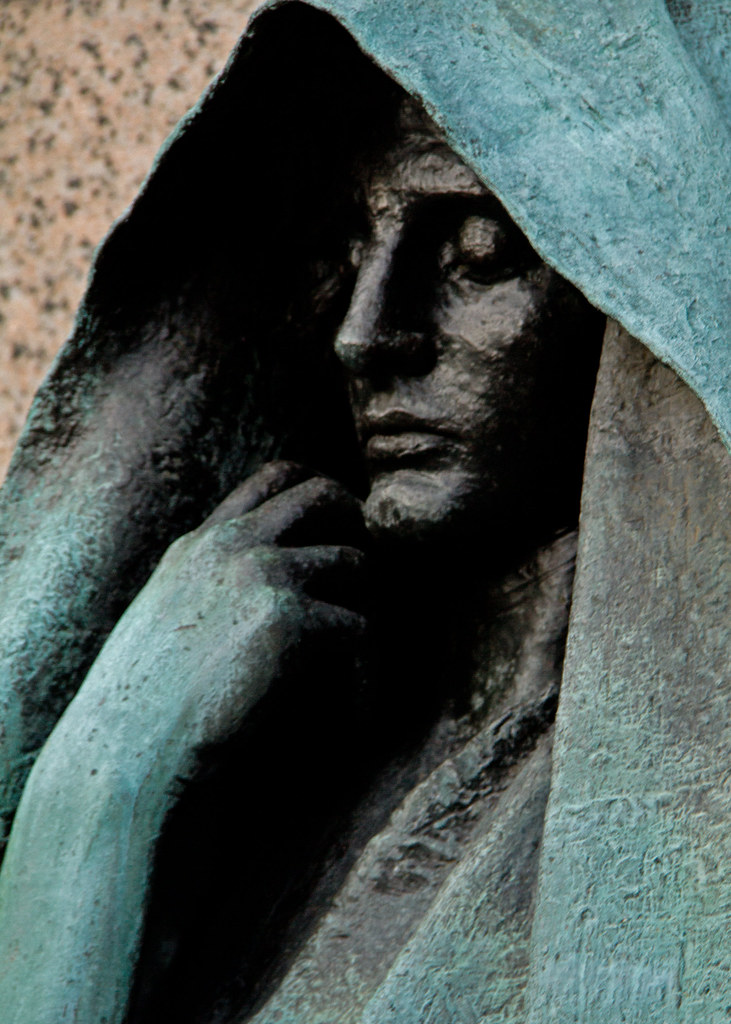

Grieving: The Unmistakable Proof of Love
Grief is one of life’s most profound and universal experiences. It is a journey no one wishes to take, yet it is one that touches every human life at some point. While it often feels overwhelming and unbearable, grief carries with it a powerful truth: it is proof of love. To grieve deeply is to have loved deeply, and in that, there is a beauty that transcends the pain.
The Nature of Grief
Grief is not a single emotion. It is a complex and multifaceted response to loss, encompassing sadness, anger, confusion, and even moments of numbness. It is deeply personal, yet it connects us to others in a way few experiences can. When we grieve, we are reminded of the bonds that tie us to those we have lost, and in those bonds, we find the essence of what it means to love.
Dr. Elisabeth Kübler-Ross, a pioneer in the study of grief, famously outlined the five stages of grief: denial, anger, bargaining, depression, and acceptance. While these stages provide a framework for understanding grief, they are not linear or prescriptive. Each person’s journey through grief is unique, shaped by their relationship with the one they have lost and the circumstances of their loss.
Grief as a Reflection of Love
The depth of our grief is often a reflection of the depth of our love. When we lose someone we care about deeply, the void they leave behind is a testament to the role they played in our lives. This is why grief can feel so all-encompassing—it mirrors the significance of the relationship we had.
C.S. Lewis, in his book A Grief Observed, wrote about the intense pain of losing his wife, Joy. He described grief not as a state but as a process, one that revealed the depth of his love for her. “The pain now is part of the happiness then. That’s the deal,” he wrote. Lewis’s words remind us that grief and love are two sides of the same coin; one cannot exist without the other.
The Healing Power of Grief
While grief is painful, it is also a necessary part of healing. It allows us to process our loss and begin to rebuild our lives in the absence of the one we have lost. This process is not about “getting over” the loss but about learning to live with it.
Therapists and counselors often emphasize the importance of allowing oneself to grieve fully. Suppressing or avoiding grief can lead to unresolved feelings that resurface later in life. By confronting our grief, we honor our love for the person we have lost and create space for healing.
Dr. Alan Wolfelt, a renowned grief counselor, describes grief as a journey of the heart. He encourages those who are grieving to lean into their pain, rather than away from it. “Love is the reason for grief,” he says. “And love is the reason we heal.”
Grief in Community
While grief is deeply personal, it is often shared in community. Funerals, memorial services, and other rituals of mourning provide an opportunity for people to come together, share their memories, and support one another. These communal expressions of grief remind us that we are not alone in our pain.
In many cultures, rituals surrounding grief are designed to honor the deceased while providing comfort to the living. In Ireland, for example, the traditional wake is a time for family and friends to gather, share stories, and celebrate the life of the person who has passed. In Mexico, Día de los Muertos (Day of the Dead) is a vibrant celebration that honors loved ones who have died, blending grief with joy and remembrance.
These rituals underscore the idea that grief is not something to be hidden or avoided. Instead, it is a natural and necessary part of life, one that connects us to our humanity and to each other.
Finding Meaning in Loss
One of the most challenging aspects of grief is finding meaning in the loss. For many, this involves reflecting on the impact the deceased had on their lives and carrying their legacy forward. This might mean continuing a tradition they loved, supporting a cause they cared about, or simply living in a way that honors their memory.
Author Joan Didion, in her memoir The Year of Magical Thinking, wrote about the sudden loss of her husband, John Gregory Dunne. Through her grief, she found solace in writing, using her words to process her emotions and preserve her husband’s memory. Her book became a testament to the enduring power of love and the resilience of the human spirit.
For others, finding meaning in loss might involve spiritual or religious practices. Many faith traditions offer frameworks for understanding grief and finding hope in the face of loss. In Christianity, for example, grief is often seen as a path to spiritual growth, a way to draw closer to God and find comfort in His presence.
The Universality of Grief
Grief is a universal experience, one that transcends cultures, religions, and generations. It is a reminder of our shared humanity, of the fact that we are all connected by the bonds of love and loss. In a world that often feels divided, grief has the power to unite us, to remind us of what truly matters.
In her book Option B, Sheryl Sandberg wrote about the loss of her husband, Dave Goldberg, and the lessons she learned about resilience and community. She emphasized the importance of supporting one another through grief, saying, “We find our humanity—our will to live and our ability to love—in our shared grief.”
Grief as a Testament to Love
At its core, grief is a testament to the love we have for those we have lost. It is a reflection of the joy they brought into our lives and the impact they had on our hearts. While the pain of grief can feel overwhelming, it is also a reminder of the beauty of love and the connections that make life meaningful.
As we navigate the journey of grief, we are reminded that love is not bound by time or space. It endures in our memories, our actions, and the ways we carry those we have lost with us. In this way, grief is not just a reflection of our loss—it is a celebration of the love that will always remain.
Sources:
- A Grief Observed by C.S. Lewis
- The Year of Magical Thinking by Joan Didion
- Option B by Sheryl Sandberg and Adam Grant
- Dr. Alan Wolfelt’s writings on grief and healing