


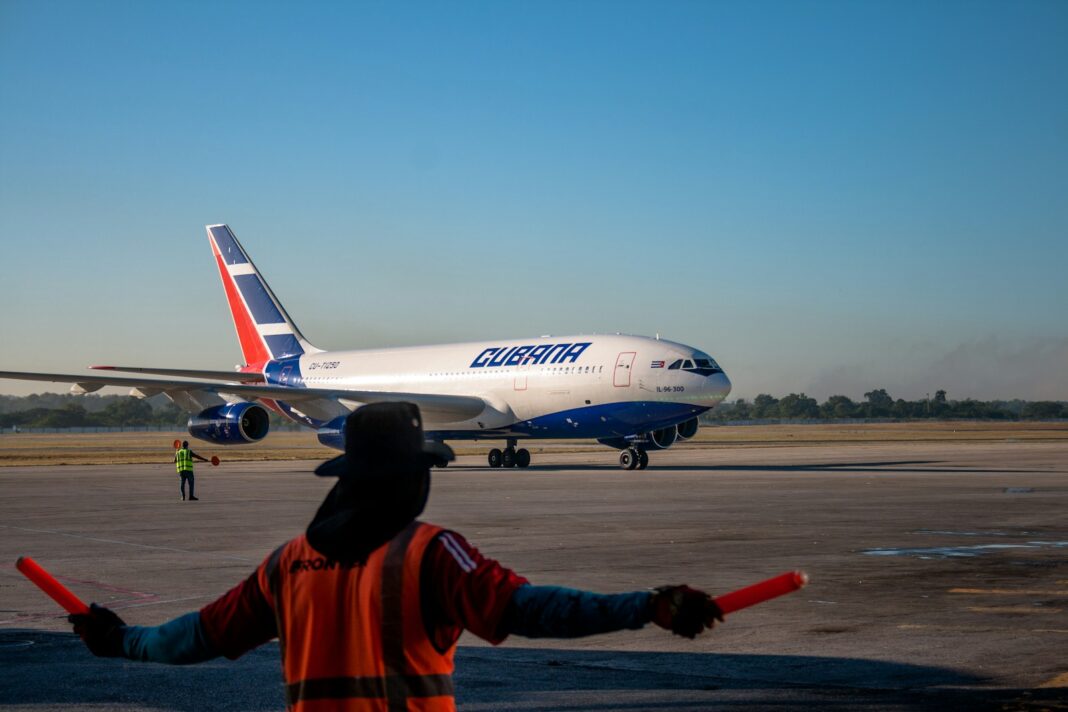

Cuba has issued an urgent warning to airlines, announcing that it is running out of jet fuel. This alarming development has already led to disruptions in air travel, with several airlines suspending flights to the island. The crisis highlights the far-reaching consequences of geopolitical tensions, economic instability, and resource scarcity. For a faith-based audience, this situation also serves as a stark reminder of the importance of compassion, prayer, and community support in times of crisis.
The Crisis Unfolds: Cuba’s Jet Fuel Shortage
On February 5, 2026, the Cuban government announced that its supply of jet fuel was critically low. As a result, the country has warned airlines that it will be unable to provide fuel at nine of its airports from February 10 to March 11, 2026. This shortage has already caused significant disruptions, with Canadian airlines suspending flights to the island and other international carriers reconsidering their routes , .
The fuel shortage is part of a larger energy crisis in Cuba, which has been grappling with dwindling oil supplies and economic challenges. The situation has been exacerbated by U.S. sanctions, which have limited Cuba’s ability to import oil and other essential resources. As a result, the island nation is facing severe constraints on its transportation and aviation sectors .
The Broader Context: U.S. Sanctions and Economic Struggles
Cuba’s jet fuel shortage cannot be understood in isolation. It is a symptom of the broader economic and geopolitical challenges facing the country. The United States has imposed stringent sanctions on Cuba for decades, restricting its access to international markets and resources. These measures have been tightened in recent years, further straining the Cuban economy.
The sanctions have made it difficult for Cuba to secure stable energy supplies, as many international companies are hesitant to do business with the island for fear of repercussions. This has left Cuba heavily reliant on oil imports from allies like Venezuela, which is itself grappling with economic and political instability , .
The jet fuel shortage is just one manifestation of these challenges. It underscores the interconnected nature of global supply chains and the vulnerability of nations that are heavily dependent on external resources.
The Human Impact of the Crisis
While the jet fuel shortage may seem like a technical issue, its impact on ordinary Cubans is profound. The suspension of flights to and from the island has disrupted travel plans for both residents and tourists. For a country that relies heavily on tourism as a source of revenue, the economic consequences could be devastating.
Moreover, the fuel crisis is likely to exacerbate existing hardships for many Cubans. The country has already been struggling with food shortages, power outages, and limited access to medical supplies. The added strain on transportation infrastructure could make it even harder for people to access essential goods and services , .
A Faith-Based Perspective: Lessons from the Crisis
For a faith-based audience, the situation in Cuba offers an opportunity for reflection and action. Here are some key lessons we can draw from this crisis:
1. The Importance of Compassion
The Bible calls us to show compassion to those in need. In Matthew 25:35-36, Jesus says, “For I was hungry and you gave me something to eat, I was thirsty and you gave me something to drink, I was a stranger and you invited me in.” The plight of the Cuban people reminds us of our responsibility to care for others, especially those who are suffering due to circumstances beyond their control.
2. The Power of Prayer
In times of crisis, prayer can be a powerful source of comfort and strength. As Christians, we are called to pray for those in need, asking God to provide for their needs and bring about peace and reconciliation. James 5:16 reminds us, “The prayer of a righteous person is powerful and effective.” Let us lift up the people of Cuba in our prayers, asking for God’s provision and guidance during this challenging time.
3. The Call to Advocacy
The Cuban fuel crisis also highlights the importance of advocacy. As followers of Christ, we are called to speak out against injustice and work toward a more equitable world. Isaiah 1:17 urges us to “learn to do right; seek justice. Defend the oppressed.” By raising awareness about the challenges facing Cuba and advocating for policies that promote peace and economic stability, we can play a role in addressing the root causes of this crisis.
Finding Hope Amid Adversity
While the situation in Cuba is undoubtedly dire, there is hope. History has shown that communities can come together in times of crisis to support one another and overcome adversity. In the face of resource shortages, Cubans have demonstrated remarkable resilience and ingenuity, finding creative ways to meet their needs and support one another.
This resilience is a testament to the power of community and the human spirit. As Christians, we can draw inspiration from their example, working to build strong, supportive communities in our own lives.
How You Can Help
If you feel moved to support the people of Cuba during this challenging time, there are several ways to help:
- Donate to Relief Organizations: Many humanitarian organizations are working to provide aid to Cuba. Consider donating to reputable organizations that are providing food, medical supplies, and other essential resources.
- Spread Awareness: Share information about the crisis with your friends, family, and social networks to raise awareness and encourage others to get involved.
- Advocate for Change: Contact your elected representatives to express your concerns about the impact of U.S. sanctions on Cuba and advocate for policies that promote peace and economic stability.
- Pray: Finally, commit to praying for the people of Cuba, asking God to provide for their needs, bring about reconciliation, and guide the nation through this difficult time.
The jet fuel shortage in Cuba is more than just an aviation issue—it is a symptom of deeper economic and geopolitical challenges that are impacting the lives of millions of people. For a faith-based audience, this crisis serves as a reminder of the importance of compassion, prayer, and advocacy.
As we reflect on the situation in Cuba, let us remember the words of Galatians 6:2: “Carry each other’s burdens, and in this way, you will fulfill the law of Christ.” By coming together in prayer, advocacy, and action, we can make a difference in the lives of those who are struggling and demonstrate the love of Christ in a tangible way.
Sources:
- NBC News: Cuba says airlines can no longer refuel on the island
- CNN: Cuba warns airlines of jet fuel shortage
- Reuters: Canadian airlines suspend Cuba flights amid fuel crisis
- The Hill: Cuba warns of aviation fuel shortage