



A Faith Reflection for Earth Day 2026
Before there was an Earth Day—before the summits, the campaigns, the slogans—there was a declaration so simple and sweeping that no one has ever improved on it:
“The earth is the Lord’s, and everything in it.”
— Psalm 24:1
Fifty-six years ago, on April 22, 1970, a group of Americans looked around at the air, the water, the land, and said, Enough.
They weren’t wrong to be alarmed. They weren’t wrong to act.
But here’s the truth that lingers with me this morning:
The Church was supposed to be first in line.
A Sacred Assignment
The very first chapter of Scripture opens with God creating something extraordinary—light and darkness, oceans and land, seed-bearing plants, creatures of every kind.
And after each act of creation, He paused and declared it good.
Not useful. Not functional. Not adequate.
Good.
Then, He handed it to us.
“Be fruitful and increase in number; fill the earth and subdue it.”
— Genesis 1:28
For centuries, that word subdue has been misunderstood. It’s not permission to exploit. It’s a call to steward.
Think of a gardener tending a garden—not by tearing it apart, but by nurturing it, protecting it, helping it thrive as it was meant to.
That was our first assignment.
We were made to be caretakers of something that belongs to God.
What God Sees When He Looks at Earth
NASA astronauts talk about something called the overview effect.
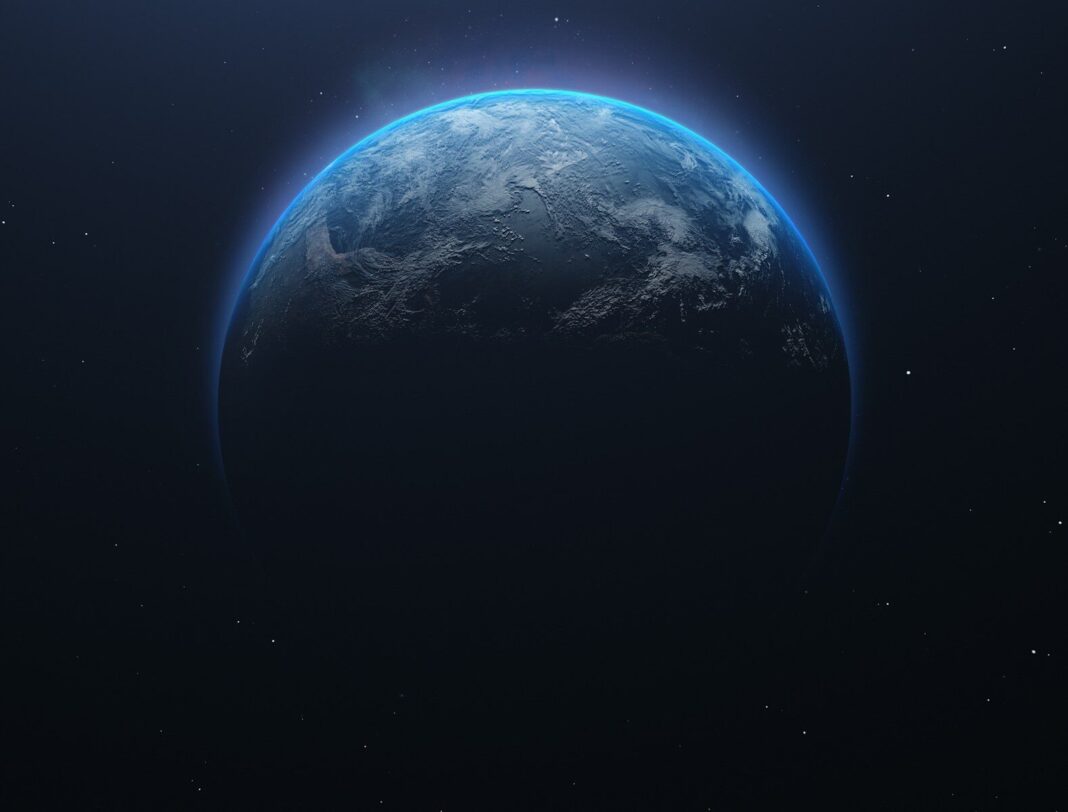
It’s the overwhelming realization of Earth’s fragility and beauty when seen from space—a small, luminous planet suspended in darkness.
Every border invisible. Every ocean connected. Every living thing sharing the same thin atmosphere.
One astronaut described it as an involuntary sense of responsibility—you can’t unsee it.
I think that’s what God sees every day.
Not the political debates. Not the arguments over policies or profits.
Just this fragile, breathtaking creation He made, called good, and placed in our hands.
Caring for Creation Is Worship
This year’s Earth Day theme is “Our Power, Our Planet.”
But I’d like to offer a gentle correction:
It’s not our planet.
It’s His.
And that means caring for creation isn’t just an environmental position—it’s an act of faithfulness.
When you plant a seed, you’re participating in the same creative work God began on day three.
When you protect a shoreline, you’re guarding something He declared good.
When you reduce waste, you’re practicing the sacred discipline of taking only what you need and leaving something for future generations.
These aren’t political acts.
They’re acts of worship.
What Faith Brings to Earth Day
The environmental movement is right about the urgency. It’s right about the collective responsibility. It’s right that every action matters.
But faith adds something deeper:
A reason that outlasts the trend.
Movements rise and fall. Campaigns come and go. Policies shift with the wind.
But “The earth is the Lord’s” has stood for thousands of years—and it will still stand tomorrow.
As Christians, we don’t care for creation because it’s fashionable. We care for it because we were made to. Because the Creator entrusted it to us.
Because the God who made this world is the same God who redeems it—and who promises to restore it completely.
Revelation 21 doesn’t describe an escape from creation. It describes creation made new.
God isn’t abandoning this planet.
Neither should we.
Three Things You Can Do Today
You don’t need a summit, a campaign, or a hashtag.
You need a posture—the posture of someone who knows the ground beneath their feet belongs to Someone else and has been placed in their care.
From that posture, even small acts carry eternal weight:
Plant something. A tree, a garden, a single seed. Participate in creation.
Reduce something. Take one less. Waste one less. Practice enough.
Notice something. Step outside and really see what God has made. Let it stir the same wonder He felt when He called it good.
The earth is the Lord’s.
And everything in it.
Including this Wednesday.
Including you.
Including the small, faithful act you choose today to care for something that was never yours to destroy—but always yours to tend.
Happy Earth Day.
Go outside.
Look at what He made.
Call it good.