


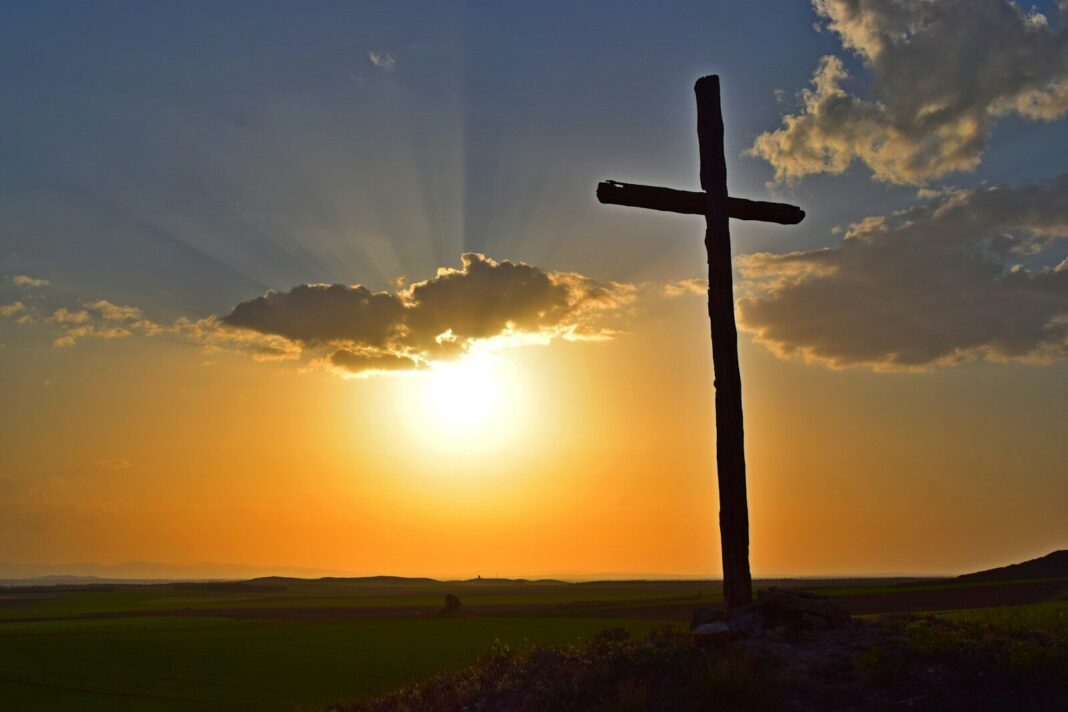

Easter Monday, the day immediately following Easter Sunday, is recognized as a public holiday in several countries around the world. However, in the United States, it remains a regular working day, sparking ongoing discussions about whether it should be elevated to the status of a federal holiday.
Easter Monday Around the World
Globally, Easter Monday is treated with varying levels of significance. In countries like New Zealand, it is a National Public Holiday, with schools and businesses closing for the day. Similarly, many European nations, including Germany, Australia, and Canada, observe Easter Monday with traditional celebrations and family gatherings.
In stark contrast, the United States treats Easter Monday as an ordinary working day. Public transit systems operate as usual, businesses remain open, and the day passes without official recognition, despite the prominence of Easter Sunday in American culture.
The Easter Monday Act
In recent years, there has been a growing push to recognize Easter Monday as a federal holiday in the U.S. The proposed Easter Monday Act aims to establish the day as an official holiday, citing its cultural and religious importance.
If passed, the act would make Easter Monday a federal holiday starting in 2026 (April 6). Advocates argue that this would align the United States with other nations that honor Easter Monday, offering Americans an opportunity for reflection, rest, and family time following Easter Sunday.
Critics, however, have raised concerns about adding another federal holiday to the calendar. They point to potential economic impacts and argue that the U.S. already has a robust set of holidays, making it difficult to justify adding another one.
Public Sentiment and State-Level Recognition
While Easter Monday is not federally recognized, some states with strong Christian traditions, such as Louisiana and North Dakota, observe Good Friday as a state holiday. This has sparked debates about why Easter Monday, which carries significant cultural and religious meaning in many parts of the world, does not receive similar recognition.
Online discussions, particularly on platforms like Reddit, reveal divided opinions. Some argue that the secularization of public holidays in the U.S. and the country’s diverse religious demographics make it unlikely for Easter Monday to gain widespread support. Others believe that the day’s importance, especially for Christians, warrants its inclusion as a national holiday.
Conclusion
The debate over Easter Monday’s status as a national holiday in the United States continues to evolve. Proponents highlight its cultural and religious significance, advocating for its recognition as a time for rest and reflection after Easter Sunday.
As discussions around the Easter Monday Act progress, the question remains: should the U.S. join the ranks of nations that honor Easter Monday as part of their national holiday calendar? For now, Easter Monday remains a regular working day, leaving Americans to wonder whether its importance will ever be formally acknowledged.