


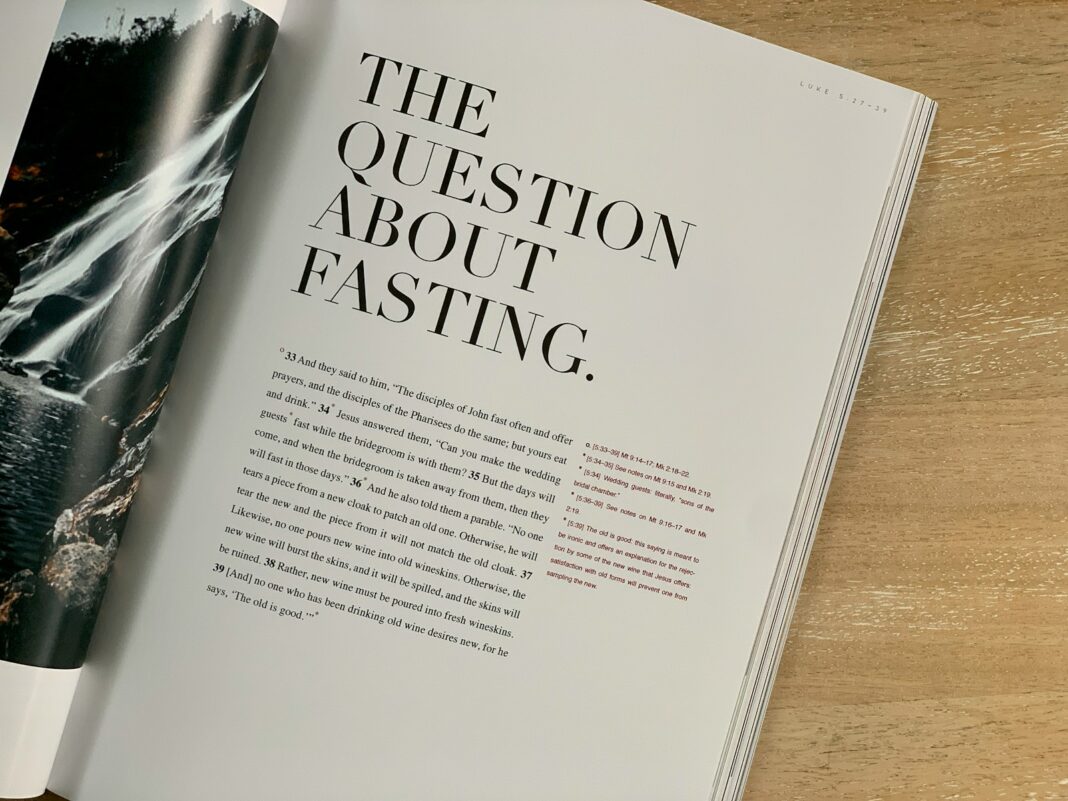

Fasting: A Holistic Practice for the Body and Soul
Let’s talk fasting. Not the “skip breakfast because you’re running late” kind of fasting, but the intentional, purposeful kind that’s been practiced for centuries. Fasting is like a spiritual and physical reset button—it’s ancient wisdom meeting modern science. It’s been used to draw closer to God, seek renewal, and even get clarity when life feels like a hot mess. And as it turns out, fasting isn’t just good for your soul; it’s pretty great for your body too.
But before you start skipping meals and calling it holy, let’s take a step back. Fasting isn’t for everyone, and it’s not something to dive into without knowing what you’re doing. So, let’s break it down: Is fasting right for you? What are the benefits? And how do you do it well?
Is Fasting Right for You?
Here’s the deal: fasting can be amazing, but it’s not a one-size-fits-all thing. If you’re pregnant, have diabetes, a history of eating disorders, or any other medical condition, fasting might not be the best idea. And that’s okay—God isn’t handing out gold stars for fasting.
Before you start, talk to a doctor or a trusted healthcare professional. Seriously. This isn’t about proving your spiritual worth; it’s about honoring God and the body He gave you.
Top 7 Tips for Healthy Fasting
If you’ve got the green light to fast, here’s how to do it without turning into a hangry mess:
- Start Small
Don’t go from zero to 40 days in the wilderness. Start with skipping one meal or fasting for a few hours. Baby steps, my friend. - Stay Hydrated
Water is your best friend. Lots of it. Herbal teas and clear broths can help too. Dehydration is not holy, just dangerous. - Listen to Your Body
If you’re feeling dizzy, shaky, or like you’re about to pass out, it’s okay to stop. Fasting is about discipline, not self-destruction. - Break Your Fast Gently
Don’t end a fast by diving into a triple cheeseburger. Start with something light—fruits, veggies, maybe some soup. Ease back into eating like you would ease into a cold pool. - Pair Fasting with Prayer
Fasting without prayer is just skipping meals. Use the time you’d spend eating to pray, meditate, or dive into Scripture. That’s where the real transformation happens. - Set Clear Intentions
Why are you fasting? To seek God’s guidance? To grow closer to Him? To repent? Be clear about your “why.” It’ll keep you focused when your stomach starts growling louder than your worship playlist. - Be Patient with Yourself
Fasting is a discipline. You’re not going to master it overnight. If you slip up, don’t beat yourself up. God’s grace is bigger than your hunger pangs.
The History and Spiritual Significance of Fasting
Fasting isn’t some trendy new wellness hack. It’s been around for thousands of years, and it’s deeply rooted in spiritual practices across the globe.
1. Fasting in the Old Testament
In the Old Testament, fasting often showed up in times of mourning or repentance. Remember Jonah and the people of Nineveh? They fasted, prayed, and God spared them (Jonah 3:5-10). King David also fasted as a way to humble himself before God (Psalm 35:13).
2. Jesus and Fasting
Jesus didn’t just teach about fasting—He lived it. During His 40 days in the wilderness (Matthew 4:1-2), He fasted and faced temptation head-on. And when He taught about fasting in the Sermon on the Mount, He emphasized doing it with humility and sincerity—not as a way to show off (Matthew 6:16-18).
3. Fasting in the Early Church
The early church used fasting as a way to seek God’s guidance. Before sending Paul and Barnabas on their missionary journey, they fasted and prayed (Acts 13:2-3). Fasting wasn’t just a personal practice; it was a communal way to align hearts with God’s will.
The Physical Health Benefits of Fasting
Okay, so fasting isn’t just good for your soul—it’s got some serious perks for your body too. Modern science is catching up to what ancient practices have known all along: fasting can be transformative for your health.
1. Improved Metabolic Health
Fasting can help regulate blood sugar levels and improve insulin sensitivity, reducing the risk of type 2 diabetes. Think of it as hitting the reset button on your metabolism. Studies show that intermittent fasting can help lower blood glucose levels and make your body better at processing insulin.
2. Weight Management
If you’re trying to shed a few pounds, fasting can help. By reducing calorie intake and promoting fat burning, fasting can be an effective tool for weight management—especially when paired with a balanced diet.
3. Cellular Repair and Longevity
Here’s where it gets cool: fasting triggers autophagy, a process where your body cleans out damaged cells and generates new ones. It’s like spring cleaning for your insides. Research even suggests fasting can stimulate stem cell production, which is crucial for tissue repair and regeneration.
4. Reduced Inflammation
Chronic inflammation is linked to a laundry list of diseases, from heart disease to autoimmune disorders. Fasting has been shown to reduce inflammation markers, which can help lower your risk of chronic illness.
5. Enhanced Mental Clarity
Ever heard of “fasting brain”? Many people report feeling sharper and more focused during a fast. That’s because your body produces ketones during fasting, which serve as an alternative energy source for your brain. Plus, fasting can help regulate mood and stress hormones, leaving you feeling more balanced.
Fasting as a Holistic Practice
Fasting isn’t just about skipping meals. It’s about creating space—space to connect with God, to reflect, to reset. It’s a holistic practice that addresses the needs of both your spirit and your body.
But let’s be clear: fasting isn’t about earning God’s favor. It’s not a spiritual gold star or a way to prove your devotion. It’s about drawing closer to Him, aligning your heart with His, and letting go of distractions that pull you away.
Isaiah 58:6-7 reminds us of what fasting should truly look like:
“Is not this the kind of fasting I have chosen: to loose the chains of injustice and untie the cords of the yoke, to set the oppressed free and break every yoke? Is it not to share your food with the hungry and to provide the poor wanderer with shelter—when you see the naked, to clothe them, and not to turn away from your own flesh and blood?”
Fasting isn’t just about what you don’t do (like eating); it’s about what you do—seeking justice, showing compassion, and loving others well.
A Sacred Journey of Renewal
Fasting is a powerful practice that can transform your spiritual, physical, and emotional well-being. Whether you’re seeking guidance, better health, expressing repentance, or simply longing for a deeper connection with God, fasting can be a sacred journey of renewal.
But remember: fasting is a discipline, not a performance. It’s not about perfection—it’s about seeking God with a humble heart. And if you’re unsure about fasting, that’s okay too. God’s grace isn’t tied to how many meals you skip.
So, as you consider fasting, ask yourself: What’s my “why”? What’s my purpose in this? And how can I approach it in a way that honors both God and the body He’s given me?
Take it slow, stay hydrated, and pair your fasting with prayer. And most importantly, remember that fasting isn’t just about giving something up—it’s about making room for something greater.
As Isaiah 40:31 reminds us:
“But those who hope in the Lord will renew their strength. They will soar on wings like eagles; they will run and not grow weary, they will walk and not be faint.”
Sources:
- PMC: The Impact of Religious Fasting on Human Health
- Relevant Magazine: New Study Finds Benefits from Fasting
- Medical News Today: What Are the Health Benefits of Fasting?
- Bible Verses on Fasting and Prayer