


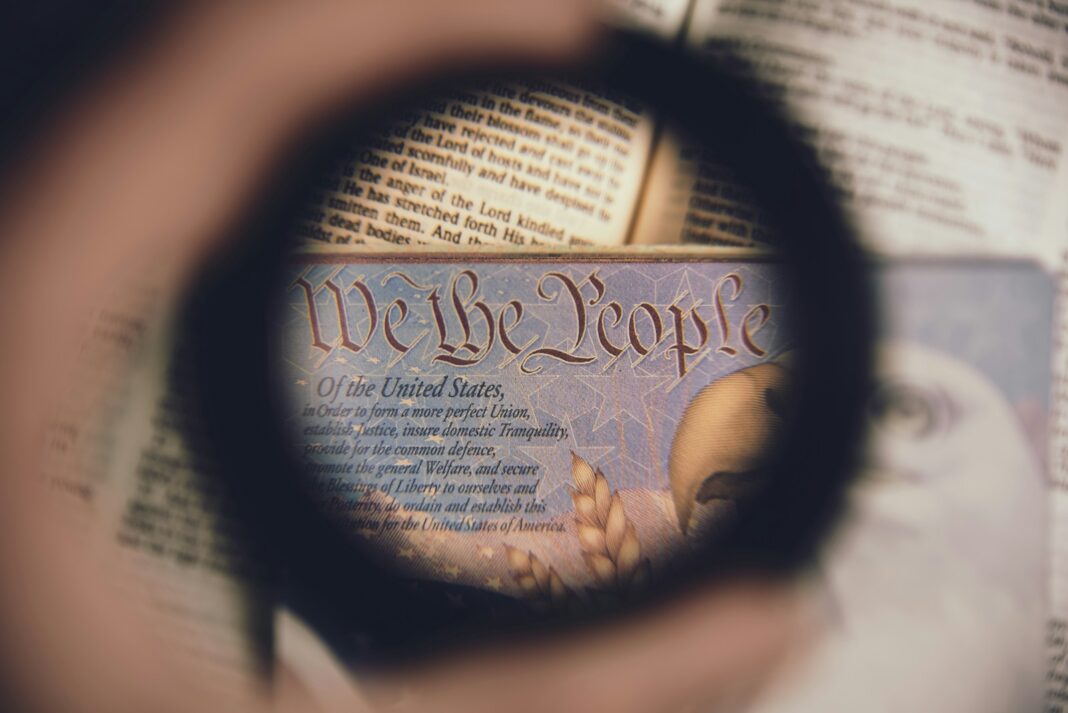

A new memo bypasses judicial oversight. What does this mean for constitutional freedoms?
A New Directive Challenges Fourth Amendment Protections
A recently revealed Immigration and Customs Enforcement (ICE) memo, issued in May 2025, has sparked widespread alarm among civil liberties advocates, lawmakers, and constitutional experts. The directive authorizes ICE officers to enter private homes using only administrative warrants, bypassing judicial oversight. Critics argue that this policy undermines the Fourth Amendment, which protects against warrantless searches and seizures, and represents a significant escalation in the Trump administration’s immigration enforcement strategy. This article examines the implications of the memo and the broader context of its release.
What the Memo Entails
The internal ICE memo, revealed through a whistleblower complaint and first reported by the Associated Press, allows officers to forcibly enter homes using administrative warrants. Unlike judicial warrants, which require approval from a neutral third-party judge, administrative warrants are signed by ICE officers themselves. This effectively eliminates the safeguards traditionally provided by judicial oversight .
Key Features of the Memo:
- Administrative Warrants: These are issued by ICE officers after an immigration judge orders the removal of an undocumented immigrant. Critics note that immigration judges are part of the Department of Justice and serve at the discretion of the attorney general, raising concerns about impartiality.
- Limited Distribution: The memo was not broadly shared across ICE field offices, with some officers reportedly learning about it only after media reports. This lack of transparency has further fueled criticism .
Constitutional and Legal Concerns
The memo has drawn sharp criticism from constitutional law experts, who argue that it undermines the Fourth Amendment’s protections against warrantless searches. Mark Graber, a constitutional law scholar, remarked, “The Bill of Rights, we thought, were the first 10 amendments. I guess now we’re down to nine.”
Historical Context of the Fourth Amendment
The Fourth Amendment’s protections against unreasonable searches and seizures predate the founding of the United States. These principles were enshrined to prevent government overreach and ensure accountability through judicial oversight.
Expert Opinions
Emmanuel Mauleón, an associate professor of law, compared the policy to a scenario where a police officer collects evidence, arrests a suspect, and then issues their own warrant to search the suspect’s home. “It’s deeply concerning because there’s absolutely no safeguards and no accountability built into the system,” he said .
Political and Public Reactions
The memo has prompted widespread condemnation from civil liberties advocates, Democratic lawmakers, and state officials. Minnesota Governor Tim Walz described the policy as an “assault on freedom and privacy” and called for immediate action to protect constitutional rights. Senator Richard Blumenthal has demanded testimony from Homeland Security Secretary Kristi Noem and acting ICE Director Todd Lyons to explain the directive .
Defending the Memo
In response to the backlash, the Department of Homeland Security (DHS) defended the policy, arguing that individuals served with administrative warrants have already undergone due process. DHS spokesperson Tricia McLaughlin stated that these individuals are subject to final orders of removal.
Criticism of Enforcement Tactics
The memo comes amid reports of increasingly aggressive tactics by ICE officers, including the use of force to detain both immigrants and citizens. Kathleen Bush-Joseph, an attorney and analyst at the Migration Policy Institute, noted that the administration’s stance treats immigrants as “invaders” and pushes legal boundaries in unprecedented ways.
Implications for Faith-Based Communities
For faith-based audiences, the ICE memo raises profound ethical and moral questions. As Christians, we are called to uphold the dignity and worth of every individual, regardless of their immigration status. The directive challenges us to consider how we balance the rule of law with the biblical call to “love your neighbor as yourself” (Mark 12:31).
Moral Considerations
- Human Dignity: The memo’s potential to disrupt families and communities underscores the need for compassionate immigration policies that respect human dignity.
- Justice and Mercy: While enforcing immigration laws is a legitimate government function, it must be done in a manner that aligns with principles of justice and mercy.
A Call to Advocacy
Faith communities have historically played a crucial role in advocating for the rights of marginalized groups. In the face of policies that threaten civil liberties, believers are called to speak out, provide support to affected individuals, and pray for wisdom and justice.
A Broader Pattern of Escalation
The ICE memo is part of a broader pattern of the Trump administration’s efforts to expand executive authority in immigration enforcement. From the use of military resources at the border to the implementation of controversial travel bans, these policies reflect an aggressive approach that has often tested the limits of constitutional protections.
Crossing the Rubicon
Emmanuel Mauleón described the memo as “crossing the Rubicon,” a reference to Julius Caesar’s irreversible decision to march on Rome. This metaphor underscores the memo’s departure from established legal norms and its potential to set a dangerous precedent.
Impact on Communities
The administration’s data reveals that hundreds of thousands of individuals were issued removal orders in absentia last year, often due to missed court appearances. This highlights the systemic challenges faced by immigrants navigating a complex and often opaque legal system.
A Call for Vigilance and Action
The ICE memo represents a significant escalation in immigration enforcement, raising serious constitutional and ethical concerns. For faith-based communities, it is a call to action—a reminder of our responsibility to advocate for justice, protect the vulnerable, and uphold the principles enshrined in the Constitution.
As the debate over immigration policy continues, it is essential to remain vigilant and informed. By engaging in prayer, advocacy, and support for affected individuals, we can work toward a more just and compassionate society.
Sources:
- CNN: ICE memo allows officers to enter homes without judicial warrants
- PBS: Analysis of the ICE memo and its implications
- Washington Post: Details on Form I-205 and its use in warrantless entries
- Senate Letter: Senator Blumenthal’s response to the ICE memo