


Faith, Freedom, and Intervention: A Christian Perspective on Iran’s Protests and U.S. Rhetoric
A Nation in Turmoil
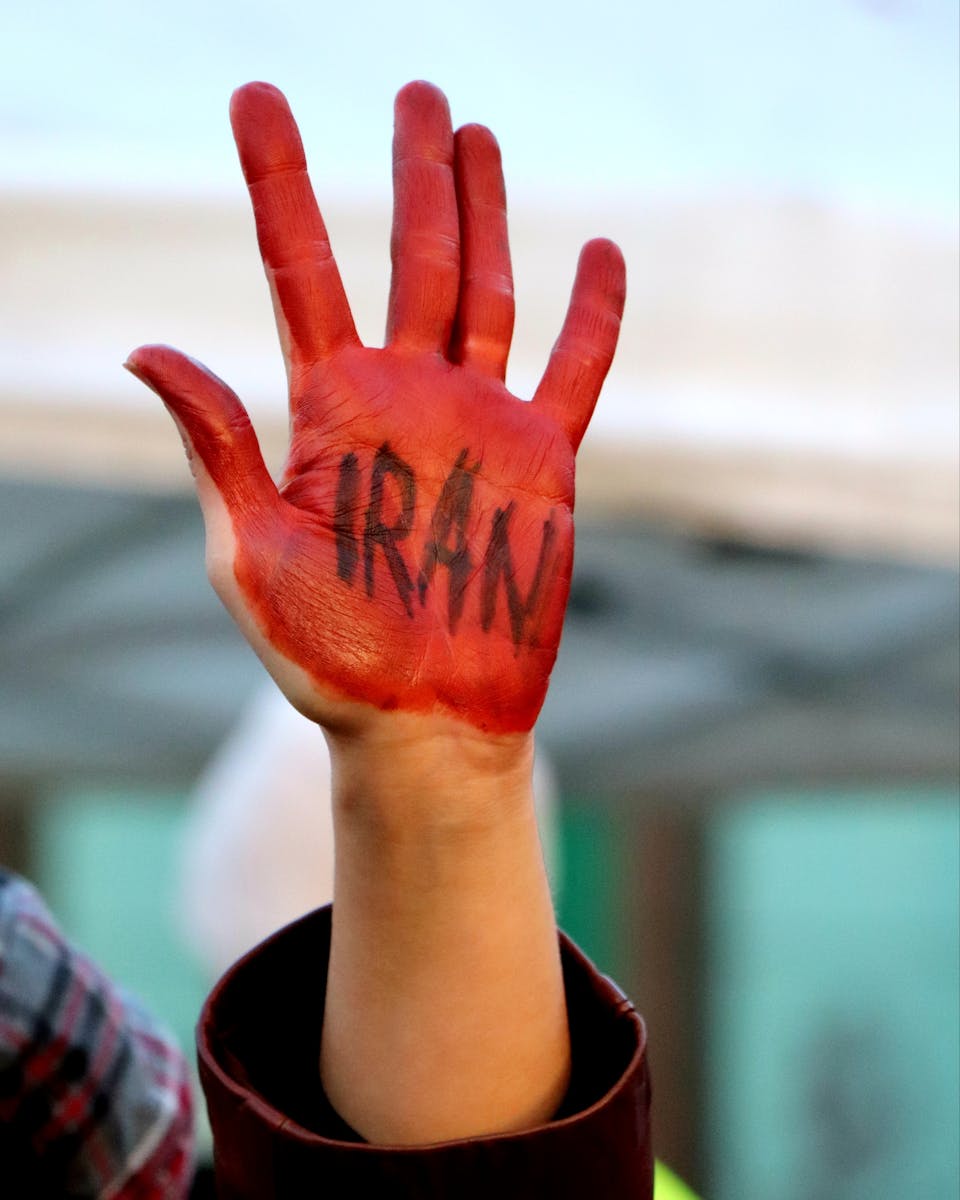
Iran is once again at the forefront of global attention as widespread protests sweep across the nation, driven by public frustration with economic hardship, political corruption, and restrictions on personal freedoms. What began as demonstrations over rising fuel prices has escalated into a broader movement calling for systemic change. The Iranian government has responded with force, leading to violent clashes and an increasing death toll.
Meanwhile, the United States has ramped up its rhetoric about potential intervention, with former President Donald Trump and other leaders expressing support for the protesters. For Christians, this unfolding situation raises important questions about justice, freedom, and the role of faith in global affairs. How should believers respond to the plight of the Iranian people, and what does Scripture say about intervention and advocacy?
1. The Cry for Justice
The protests in Iran reflect a deep yearning for justice and freedom—values that Christians are called to uphold. Isaiah 1:17 reminds us to “seek justice, correct oppression; bring justice to the fatherless, plead the widow’s cause.” The Iranian people are crying out against oppression, corruption, and inequality, and their voices deserve to be heard.
Biblical Insight: Proverbs 31:8-9 says, “Speak up for those who cannot speak for themselves, for the rights of all who are destitute. Speak up and judge fairly; defend the rights of the poor and needy.” This verse challenges us to consider how we can advocate for the oppressed, even from afar.
Reflection: How can Christians amplify the voices of the Iranian people and support their fight for justice?
2. The Role of the Church
In times of crisis, the global church has a unique opportunity to be a source of hope and encouragement. In Iran, where Christians are a persecuted minority, the church faces significant challenges but also has the potential to be a powerful witness for Christ.
Reports have emerged of Iranian Christians using the protests as an opportunity to share the Gospel and offer support to those in need. This aligns with Jesus’ call in Matthew 5:14-16 for His followers to be “the light of the world” and to let their light shine before others.
Reflection: How can the global church come alongside Iranian Christians to support their efforts and amplify their witness?
3. U.S. Rhetoric and Intervention
The United States has expressed strong support for the Iranian protesters, with former President Trump and other leaders calling for an end to government oppression. Trump has also hinted at the possibility of intervention, though specifics remain unclear. Iranian officials have accused the U.S. of fueling the unrest, framing the protests as part of a broader geopolitical struggle , .
For Christians, the question of intervention is complex. On one hand, there is a biblical mandate to stand against oppression and advocate for justice. On the other hand, intervention must be approached with caution, ensuring that it prioritizes the well-being of the people rather than political or economic interests.
Reflection: How can Christians engage in discussions about intervention in a way that reflects Christ’s love and prioritizes justice?
4. The Power of Prayer
Prayer is one of the most powerful tools Christians have to respond to global crises. James 5:16 reminds us, “The prayer of a righteous person is powerful and effective.” As believers, we can pray for peace, justice, and freedom in Iran, as well as for wisdom for world leaders navigating this situation.
Prayer also helps us align our hearts with God’s will, ensuring that our actions are motivated by love and a desire to serve, rather than by fear or self-interest.
Reflection: How can we incorporate prayer into our response to the crisis in Iran?
5. Advocating for Freedom
Freedom is a central theme in Scripture, both spiritual and physical. Galatians 5:1 says, “It is for freedom that Christ has set us free.” For the Iranian people, the protests are a cry for freedom from oppression and injustice. Christians can play a role in advocating for this freedom, whether through raising awareness, supporting humanitarian efforts, or engaging in political advocacy.
Reflection: How can Christians advocate for freedom in Iran while remaining grounded in biblical principles?
6. Balancing Faith and Politics
The relationship between faith and politics is often complex, particularly when navigating international crises. For Christians, it is important to approach political decisions with discernment, seeking to align our actions with biblical principles rather than partisan interests.
The situation in Iran highlights the need for humility, wisdom, and a commitment to justice in political advocacy. As Proverbs 3:5-6 reminds us, “Trust in the Lord with all your heart and lean not on your own understanding; in all your ways submit to Him, and He will make your paths straight.”
Reflection: How can Christians engage in political advocacy in a way that reflects Christ’s love and justice?
7. Supporting Humanitarian Efforts
In addition to advocating for justice and freedom, Christians can support humanitarian efforts to provide relief to those affected by the crisis in Iran. Many organizations are working to deliver food, medical care, and other necessities to protesters and their families.
Jesus’ words in Matthew 25:40 remind us, “Whatever you did for one of the least of these brothers and sisters of mine, you did for me.” Supporting humanitarian efforts is a tangible way to live out our faith and serve those in need.
Reflection: How can we support organizations providing relief to those affected by the crisis in Iran?
A Call to Action
The protests in Iran and the accompanying U.S. rhetoric about intervention present an opportunity for Christians to engage thoughtfully and prayerfully with global issues. As believers, we are called to be advocates for justice, defenders of freedom, and servants to those in need.
In the words of Micah 6:8, “He has shown you, O mortal, what is good. And what does the Lord require of you? To act justly and to love mercy and to walk humbly with your God.” May this be our guiding principle as we seek to understand our role in God’s work in the world.
Sources:
- Iran protests live: Unrest ‘stoked and fueled’ by foreign intervention
- Iran Update, January 11, 2026 | ISW
- 5 things to know for Jan. 12: Iran protests, US rhetoric
- Iran’s FM says protests became ‘bloody’ to give Trump intervention excuse