


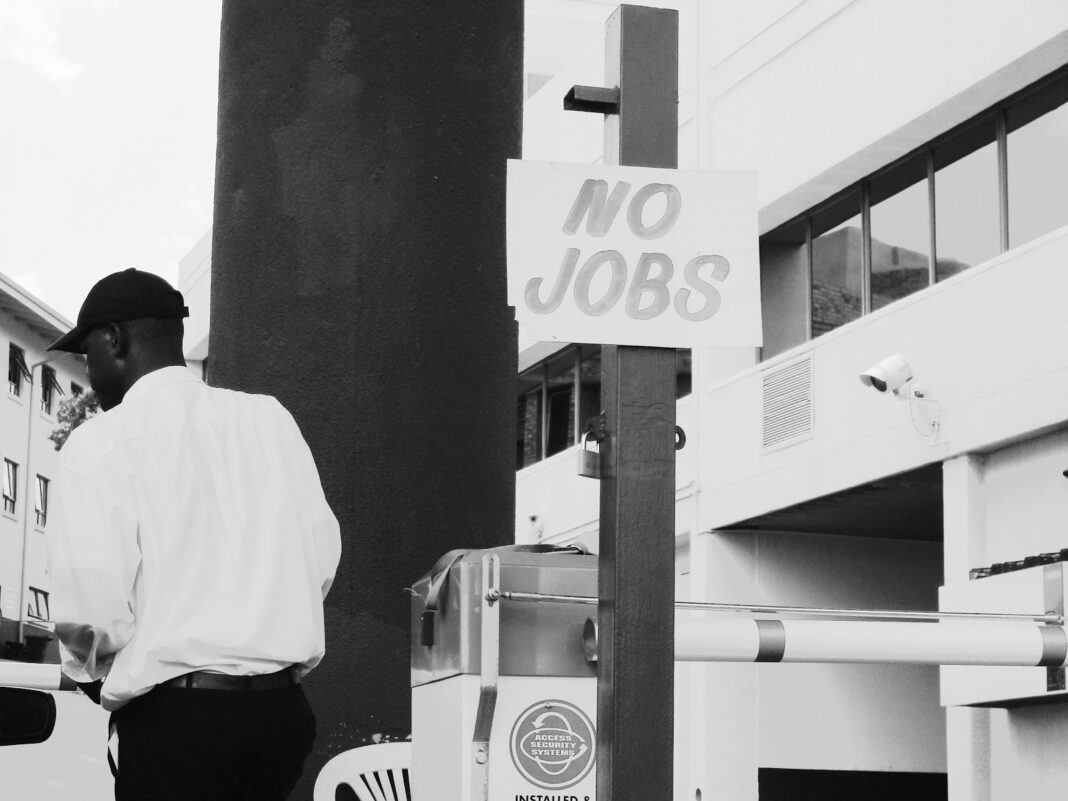

Job Openings Plummet: A Warning Sign for the U.S. Economy
Recent data from the U.S. Bureau of Labor Statistics (BLS) has sent a ripple of concern through economic and political circles. Job openings have plummeted to their lowest levels since 2020, raising questions about the health of the labor market and the broader economy. For a country that has prided itself on strong employment numbers in recent years, these figures serve as a stark warning sign.
The Numbers Behind the Decline
According to the latest Job Openings and Labor Turnover Survey (JOLTS) report, the number of job openings in the U.S. fell to 6.54 million at the end of January 2026. This marks a significant drop from the 10.5 million job openings reported in early 2023. The decline is particularly pronounced in the service sector, which has traditionally been a strong driver of job growth .
The job openings rate—a measure of job vacancies as a percentage of total employment—fell by 0.3 percentage points in January, signaling a potential rise in unemployment in the coming months. Economists at The Conference Board noted that this trend could indicate a shift toward a “low hire-low fire equilibrium,” where both hiring and layoffs are subdued, but job creation slows significantly .
The Broader Economic Context
The decline in job openings comes at a time when other economic indicators present a mixed picture. On one hand, U.S. GDP growth remains relatively strong, buoyed by consumer spending and robust corporate earnings. On the other hand, the labor market appears to be cooling, with layoffs on the rise and hiring leveling off.
This divergence has raised concerns about the sustainability of economic growth. As one economist noted in Politico, “The labor market is often a leading indicator of economic health. If job openings continue to decline, it could spell trouble for the broader economy in the months ahead.” .
Implications for Workers and Employers
The decline in job openings is not just a statistic—it has real-world implications for American workers and businesses. For job seekers, the shrinking pool of available positions means increased competition and potentially longer periods of unemployment. For employers, it could signal a slowdown in consumer demand, as fewer jobs often translate to lower household incomes and reduced spending power.
Additionally, the data reveals a growing misalignment between the skills of job seekers and the needs of employers. Many of the job openings that remain are in specialized fields, such as technology and healthcare, where there is a shortage of qualified candidates. This skills gap is exacerbating the challenges faced by both workers and businesses .
A Political and Economic Challenge
The timing of this labor market slowdown is particularly significant, as it comes during an election year. President Donald Trump has often touted the strength of the U.S. economy as a cornerstone of his administration’s success. However, the recent job market data could complicate that narrative.
Critics argue that the administration’s policies, including its focus on deregulation and tax cuts, have primarily benefited corporations and high-income earners, leaving many working-class Americans behind. They also point to the Federal Reserve’s recent interest rate hikes as a contributing factor to the economic slowdown, as higher borrowing costs have dampened business investment and consumer spending.
Supporters of the administration, however, contend that the current economic challenges are part of a natural cycle and that the president’s policies have laid the groundwork for long-term growth. They also highlight the continued strength of the stock market and the resilience of the U.S. economy compared to other nations , .
What Comes Next?
While the recent job market data is concerning, it’s important to note that the U.S. economy has weathered similar challenges in the past. Policymakers and business leaders will need to work together to address the root causes of the labor market slowdown, including the skills gap and the impact of rising interest rates.
For individuals and families, this may be a time to focus on financial resilience—saving more, reducing debt, and exploring opportunities for upskilling or reskilling. For businesses, it’s an opportunity to invest in employee training and development, as well as to explore new markets and revenue streams.
A Call for Balanced Solutions
As the nation grapples with these economic challenges, it’s crucial to avoid partisan finger-pointing and instead focus on finding balanced solutions that benefit all Americans. Whether through bipartisan efforts to address the skills gap, targeted stimulus measures, or reforms to the tax and regulatory environment, there is much that can be done to support the labor market and ensure a more equitable recovery.
The road ahead may be uncertain, but by working together, policymakers, businesses, and individuals can navigate these challenges and build a stronger, more resilient economy for the future.
Sources:
- Politico: Job Openings Plummet in Warning Sign for Trump’s Economy
- CNN: New Data Shows Job Openings Sink to 6.54 Million
- The Conference Board: JOLTS Analysis February 2026
- Marketplace: Job Openings and Unemployment Rate Show Misalignment