


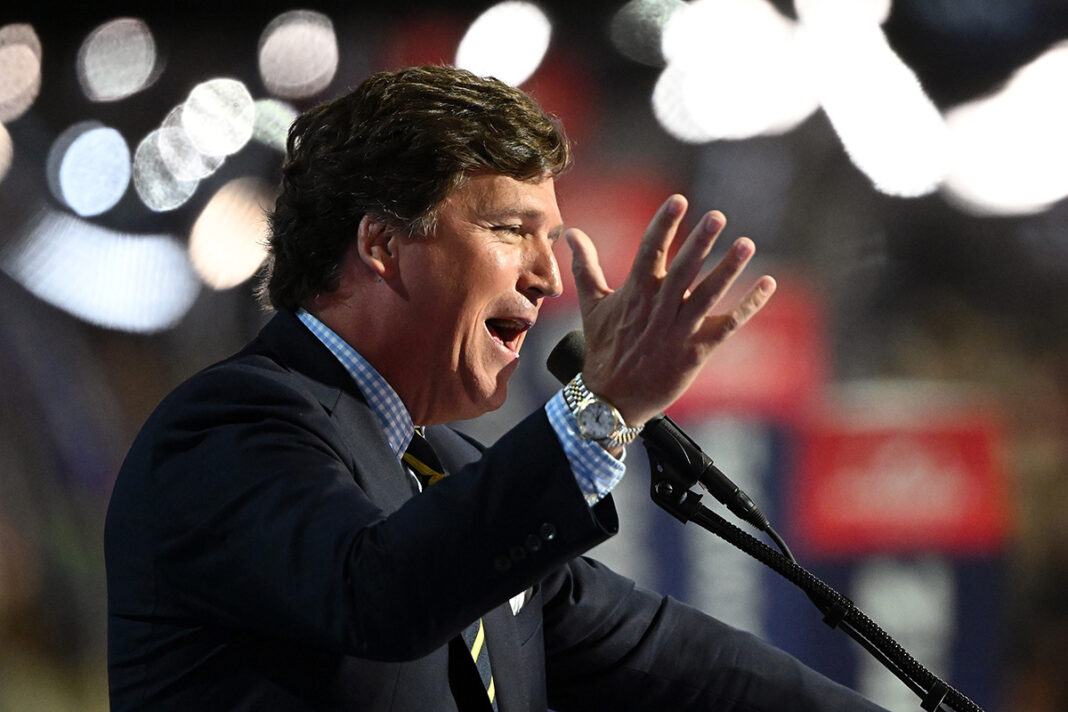

The Interview That Sparked Outrage
The recent interview between Tucker Carlson and controversial figure Nick Fuentes has ignited a firestorm within conservative Christian circles, raising profound questions about discernment, spiritual warfare, and the responsibilities of Christian media figures. The controversy intensified when Carlson shared his personal account of what he described as a demonic attack, leading many believers to question whether the backlash he’s receiving is justified or if something deeper is at play.
Tucker Carlson’s decision to platform Nick Fuentes—a figure known for antisemitic rhetoric and white nationalist sympathies—has troubled many Christians who once viewed Carlson as a trustworthy conservative voice. Fuentes has made statements denying the Holocaust, promoted racist ideologies, and expressed views fundamentally incompatible with biblical Christianity’s teachings on the dignity of all people created in God’s image.
For conservative Christians who value both truth and moral clarity, the interview raised immediate red flags. The question isn’t merely about free speech or “hearing all sides”—it’s about wisdom, discernment, and whether giving a platform to such views serves the cause of truth or darkness.
The Demonic Attack Account
Adding another layer to this controversy, Carlson publicly shared his experience of what he believes was a demonic attack, describing physical marks and a terrifying supernatural encounter. While many Christians take spiritual warfare seriously and don’t dismiss such accounts lightly, the timing and context have led some to question the narrative.
Scripture is clear that spiritual warfare is real. Ephesians 6:12 reminds us, “For we do not wrestle against flesh and blood, but against the rulers, against the authorities, against the cosmic powers over this present darkness, against the spiritual forces of evil in the heavenly places.” Christians throughout history have documented encounters with demonic forces, and dismissing all such accounts would be unbiblical.
However, the Bible also warns us to “test the spirits” (1 John 4:1) and exercise discernment. When someone shares a spiritual experience, especially in the context of controversy, believers have a responsibility to evaluate it carefully, considering both the spiritual reality and the broader context.
Does He Deserve the Backlash?
This question requires us to distinguish between different types of criticism Carlson has received.
Legitimate Biblical Concerns:
First, there’s the matter of platforming dangerous ideologies. Proverbs 4:23 instructs us to “guard your heart, for everything you do flows from it.” When a influential Christian voice gives airtime to someone promoting hatred and antisemitism, it’s not only appropriate but necessary for the body of Christ to speak up.
The Bible is unequivocal about God’s special relationship with the Jewish people (Romans 11:1-2) and the dignity of every human being regardless of race or ethnicity (Galatians 3:28). Fuentes’ views directly contradict these biblical truths. Christians who criticize Carlson for this interview aren’t engaging in “cancel culture”—they’re exercising biblical discernment and calling for accountability.
Second, there’s concern about the conflation of political conservatism with Christian faithfulness. When prominent conservative figures make questionable decisions, some Christians feel compelled to defend them simply because they’re “on our team” politically. This tribalism is dangerous and unbiblical. Our ultimate allegiance is to Christ, not to any political movement or media personality.
Potentially Excessive Responses:
However, some responses may have crossed into uncharitable territory. Christians are called to speak truth in love (Ephesians 4:15) and to restore fellow believers gently when they stumble (Galatians 6:1). Personal attacks, mockery, or assuming the worst possible motives don’t reflect Christ’s character.
If Carlson’s account of demonic attack is genuine, dismissing it entirely or using it to mock him would be cruel and potentially spiritually dangerous. Even in correction, we must maintain compassion and remember that we all face spiritual battles.
The Discernment Question
Perhaps the most important issue this controversy raises is about discernment in an age of information overload and tribal politics. How should Christians navigate these complex situations?
Biblical Principles for Discernment:
- Test Everything Against Scripture: Any teaching, interview, or spiritual experience must align with God’s Word. When something contradicts clear biblical principles—like the equal dignity of all people—we must reject it regardless of who promotes it.
- Consider the Fruit: Jesus taught us to recognize false teachers by their fruit (Matthew 7:16-20). What fruit has come from this interview? Has it promoted truth, love, and righteousness, or has it sown confusion and given credibility to hateful ideologies?
- Seek Wise Counsel: Proverbs repeatedly emphasizes the importance of multiple counselors (Proverbs 11:14, 15:22). When evaluating controversial situations, we shouldn’t rely solely on our own judgment or tribal loyalties.
- Maintain Humility: We must acknowledge that we can be deceived and that our political preferences can cloud our spiritual judgment. This requires constant self-examination and willingness to admit when we’ve been wrong.
Moving Forward as Christians
This controversy offers the church an opportunity for reflection and growth. Here are several takeaways for conservative Christians:
Separate Political and Spiritual Identity: Being politically conservative doesn’t mean defending every conservative figure’s every decision. Our identity is in Christ first, and that must inform how we engage with politics and media.
Take Spiritual Warfare Seriously—But Wisely: We should neither dismiss the reality of demonic activity nor be gullible about every spiritual claim. Discernment requires both openness to supernatural realities and careful evaluation of context and character.
Demand Better from Christian Influencers: Those who claim to speak from a Christian perspective have a higher standard of accountability. We should expect wisdom, discernment, and moral clarity from those we elevate as voices in our community.
Practice Charitable Correction: When fellow believers make mistakes, our goal should be restoration, not destruction. We can firmly oppose wrong actions while still treating people with dignity and praying for their growth.
Conclusion
Does Tucker Carlson deserve the backlash he’s received? The answer is nuanced. He deserves legitimate criticism for platforming dangerous ideologies that contradict biblical truth and for potentially leading Christians astray through poor discernment. The concern many believers have expressed isn’t rooted in political correctness but in genuine love for truth and concern for the witness of the church.
However, criticism should be measured, truthful, and aimed at restoration rather than destruction. If we claim to follow Christ, our responses must reflect His character—speaking truth firmly but always in love.
This moment calls conservative Christians to deeper discernment, greater commitment to biblical truth over political tribalism, and renewed focus on what truly matters: faithfulness to Christ and His Word above all else. Only by maintaining these priorities can we navigate controversial moments with wisdom and grace, being “wise as serpents and innocent as doves” (Matthew 10:16) in an increasingly complex world.