



The Friday Economy: What the 1970s, the Volcker Correction, and Holy Week All Have in Common
Conservative Brief | Faith + Policy + History
Every generation faces its own Friday—a moment when the weight of deferred consequences becomes too heavy to ignore. It’s a reckoning, where the numbers stop lying, and the reality of past decisions arrives with an unrelenting demand for accountability.
The 1970s were a Friday.
The Volcker correction was the cross.
The prosperity of the 1980s was the Sunday morning.
And today—whether we admit it or not—we stand somewhere between Thursday night and Friday.
The 1970s: When Friday Arrived Unannounced
The economic turmoil of the 1970s didn’t emerge overnight. It was the result of years of choices that prioritized short-term comfort over long-term discipline.
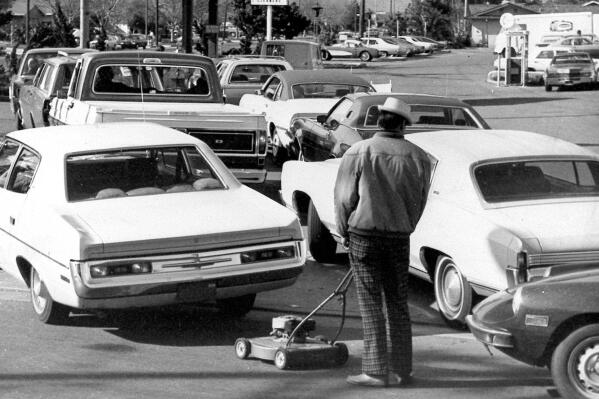
The 1973 OPEC oil embargo was the spark that ignited the crisis, but the kindling had been quietly accumulating. Oil prices quadrupled almost overnight, inflation surged into double digits, unemployment climbed past 8%, and the Federal Reserve hesitated to act decisively, allowing inflationary pressures to embed themselves deeply into the economy.
The longer action was delayed, the more entrenched the crisis became.
Proverbs 22:3 speaks to this reality: “The prudent see danger and take refuge, but the simple keep going and pay the penalty.”
The 1970s kept going—and paid the penalty.
The Volcker Correction: The Cross Nobody Wanted
By 1979, the economic situation had reached a tipping point. Federal Reserve Chairman Paul Volcker faced a decision that every leader faces at some point: endure the pain of discipline now or risk the devastation of collapse later.
Volcker chose discipline, and the path forward was agonizing.
Interest rates soared to nearly 20%. A deep recession followed, forcing businesses to close and leaving millions unemployed. The pain was real and widespread, and to many, it looked like failure. It felt like the cure was worse than the disease.
It looked like Friday.
But what seemed like failure was actually the necessary cross to bear before Sunday morning could arrive.
On the other side of that painful correction, inflation was broken, economic growth returned, and the United States entered one of the longest periods of expansion in modern history.
The lesson was clear: You cannot reach Sunday without enduring Friday. You cannot experience resurrection without first carrying the cross.
The Volcker correction wasn’t popular, and it wasn’t painless. But it was necessary. And necessary actions, taken with courage, often lead to mornings that once seemed impossible.
Today: Are We at Thursday Night or Friday?
As we examine today’s economic landscape, the parallels to the 1970s are striking—and sobering.
Inflation recently reached heights not seen in over four decades. Energy markets remain volatile, subject to geopolitical instability and the pressures of transitioning away from traditional energy sources. Supply chains, exposed by the pandemic, have revealed vulnerabilities, while the national debt has ballooned to unprecedented levels.
But the story isn’t identical. There are some key differences:
| Metric | 1970s | Today |
|---|---|---|
| Peak Inflation | Above 13% | ~9% (2022 peak) |
| Unemployment | 8%+ during stagflation | Near historic lows |
| Fed Response | Delayed, entrenched inflation | Earlier, but debated |
| Energy Vulnerability | OPEC embargo | Geopolitical pressures |
| Globalization | Limited supply alternatives | Complex but flexible supply chains |
| National Debt | Manageable as % of GDP | Historically elevated |
The labor market remains relatively strong—a key distinction from the stagflation of the 1970s. Additionally, the Federal Reserve acted more quickly than its predecessors, implementing rate hikes earlier in the inflationary cycle.
Yet, here lies the uncomfortable truth: earlier is not the same as early enough. Better is not the same as sufficient.
The warning signs—slowing growth, persistent inflationary pressure, and fragile energy security—are not speculative. They are real, measurable, and demand decisive action.
The Conservative Principle: Ancient Wisdom for Modern Challenges
For those viewing this moment through a conservative lens, the lessons of history align with timeless truths found in Scripture.
Disciplined fiscal policy.
Timely monetary intervention.
Energy independence.
These are not political slogans or contemporary trends. They are rooted in biblical principles that have stood the test of time.
Proverbs 27:23-24 reminds us: “Be sure you know the condition of your flocks, give careful attention to your herds; for riches do not endure forever.”
Know the condition of your economy. Pay attention to your foundations. Because prosperity, when left unchecked and undisciplined, does not last.
The 1970s proved this. The Volcker correction confirmed it. And today, we face the same question: Will we heed the lesson before the cost becomes unbearable, or will we continue down the path of avoidance and pay the penalty?
Sunday Always Follows Friday
Here is what Holy Week teaches us, something no economic model ever can: Friday is never the end of the story.
The cross looked like catastrophe. The tomb seemed like finality. The silence of Saturday felt like abandonment.
But Sunday was already written into the plan.
The Volcker correction—marked by soaring interest rates and widespread recession—looked like collapse. But Sunday came. And with it came two decades of growth.
The question for today’s economy is not whether Sunday is possible. It is whether we are willing to endure Friday to get there.
Discipline must triumph over comfort.
Courage must outweigh popularity.
Ancient wisdom must guide us over modern convenience.
Energy independence must replace dependency.
Fiscal integrity must prevail over generational debt.
These are not new solutions. They are principles of resurrection, applied to economic policy.
History does not repeat itself, but it leaves behind a trail of evidence. The 1970s left us with clear warnings. The Volcker correction provided a roadmap.
The question now is whether we are willing to follow that evidence—whether we will choose the hard path of discipline before Friday arrives unannounced.
Because in economics, as in faith, resurrection is possible. But we must first be willing to carry the cross.
Proverbs 22:3 reminds us: “The prudent see danger and take refuge, but the simple keep going and pay the penalty.”
Let us be prudent. Let us choose the cross, that we might see Sunday.