



Xi Jinping’s Push for a Global Yuan: A Christian Perspective
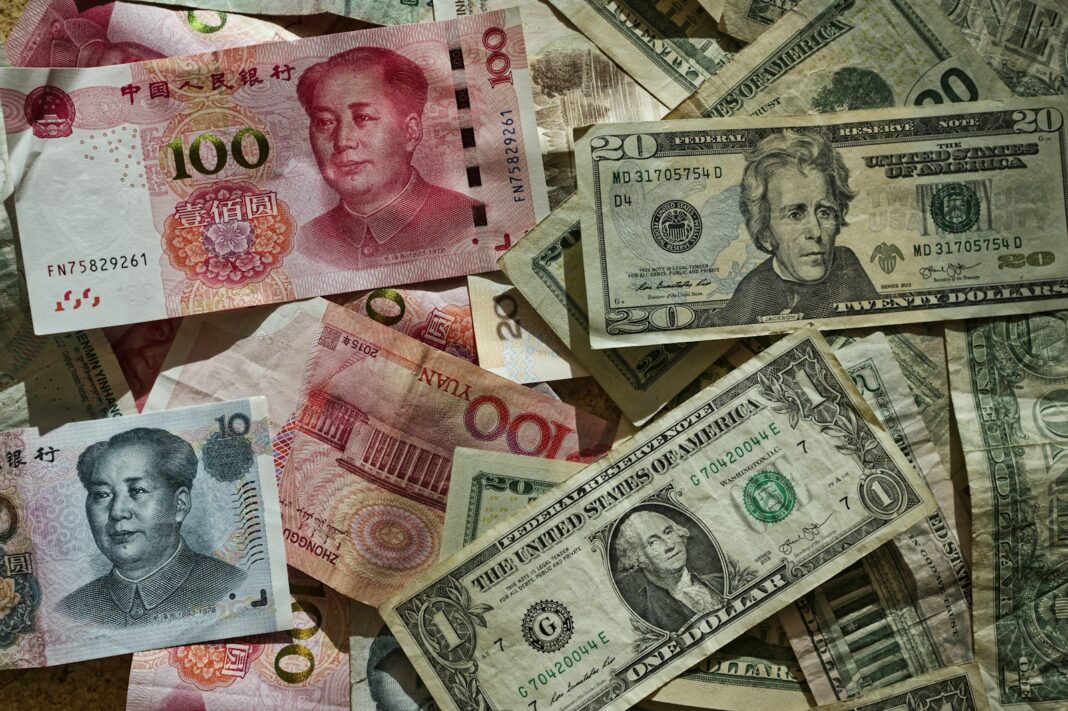
Chinese President Xi Jinping has recently reiterated his ambition to establish the yuan as a global reserve currency, challenging the dominance of the U.S. dollar in international trade and finance. This move is part of China’s broader strategy to assert its influence on the global stage, particularly through initiatives like the Belt and Road project, which has significantly expanded China’s economic and political reach , .
However, this bold vision comes at a time when Xi’s power within China is facing significant challenges. Domestically, Xi has maintained a tight grip on the Chinese Communist Party (CCP) and the country’s political apparatus, but cracks are beginning to show. His efforts to consolidate power have led to growing dissent within the party and increasing instability in key institutions, including the military. For Christians, understanding these developments provides a unique lens to reflect on themes such as power, stewardship, and the sovereignty of God.
Erosion of Xi Jinping’s Power
While Xi Jinping has been one of the most powerful leaders in modern Chinese history, his position is not without challenges. Over the past year, there have been signs of internal dissent within the CCP. Xi’s relentless anti-corruption campaigns, which have been central to his rule, are increasingly seen as a tool to purge political rivals rather than genuine efforts to root out corruption. This has led to a climate of fear and mistrust within the party, with some officials reportedly hesitant to make decisions or take actions that could draw Xi’s scrutiny , .
One of the most striking examples of this erosion of power is the recent investigation into a top general within Xi’s inner circle. This move has sent shockwaves through the Chinese military and political establishment, as it demonstrates that even those closest to Xi are not immune from scrutiny. As one observer noted, “Nobody is safe” under Xi’s rule, a sentiment that has contributed to an atmosphere of uncertainty and paranoia within the CCP .
For Christians, this situation serves as a reminder of the dangers of placing too much trust in human leaders. The Bible warns against the corrupting influence of power and the importance of humility in leadership. Proverbs 16:18 teaches us, “Pride goes before destruction, a haughty spirit before a fall.” Leaders who seek to consolidate power for their own gain often find themselves isolated and vulnerable, a lesson that is becoming increasingly relevant in Xi’s China.
Military Instability and Evolving Power Dynamics
The erosion of Xi Jinping’s power is perhaps most evident in the recent turmoil within the Chinese military. The People’s Liberation Army (PLA), which Xi has sought to modernize and strengthen, is undergoing significant upheaval. A series of purges targeting high-ranking military officials have created instability within the PLA, raising questions about its readiness and effectiveness , .
These purges are part of Xi’s broader effort to tighten his control over the military, which he views as a critical pillar of his power. However, this strategy has also exposed vulnerabilities within the PLA. Reports suggest that the purges have disrupted the chain of command and undermined morale among military personnel. Additionally, the focus on political loyalty over competence has raised concerns about the PLA’s ability to effectively respond to external threats .
This instability comes at a time when China is facing increasing tensions with neighboring countries and the United States. Xi’s efforts to assert China’s dominance in the South China Sea, Taiwan Strait, and other contested regions have heightened the risk of military conflict. For Christians, these developments underscore the importance of praying for peace and stability in a world that often seems on the brink of conflict.
The Bible calls us to be peacemakers in a divided world. As Jesus said in Matthew 5:9, “Blessed are the peacemakers, for they will be called children of God.” In the face of rising tensions, Christians have a unique role to play in advocating for peace and reconciliation, both within their own communities and on the global stage.
The Christian Response: Trust and Stewardship in Uncertain Times
As Christians, how should we respond to the shifting dynamics of global power and the challenges facing leaders like Xi Jinping? First and foremost, we are called to place our trust in God rather than in earthly systems or leaders. Psalm 46:1-2 reminds us, “God is our refuge and strength, an ever-present help in trouble. Therefore we will not fear, though the earth give way and the mountains fall into the heart of the sea.”
This trust in God’s sovereignty does not mean that we should be passive observers of global events. On the contrary, we are called to be active participants in God’s work in the world. This includes being wise stewards of the resources and opportunities He has given us. Whether through supporting missions, advocating for justice, or caring for those in need, we can use our influence to advance God’s kingdom and bring hope to a world in turmoil.
The rise of the yuan as a global reserve currency also challenges us to think about the role of the Church in a globalized world. As China’s economic and political influence grows, so does its ability to shape global norms and values. This presents both challenges and opportunities for the global Church. On one hand, Christians must be vigilant in defending religious freedom and other fundamental rights that may be at risk under China’s authoritarian regime. On the other hand, the expansion of China’s influence also creates new opportunities for evangelism and cross-cultural engagement.
Trusting in God’s Sovereignty Amid Global Change
Xi Jinping’s push for the yuan as a global reserve currency is a powerful reminder of the ever-changing nature of the world we live in. It highlights the fragility of human power and the importance of placing our trust in God rather than in earthly systems. As Christians, we are called to navigate these changes with faith, wisdom, and integrity, using our resources to reflect God’s love and justice in the world.
The challenges facing Xi Jinping, from internal dissent to military instability, serve as a cautionary tale about the dangers of unchecked power and the importance of humility in leadership. They also remind us of the need to pray for our leaders and to advocate for peace and justice in a divided world.
In the face of global uncertainty, let us hold fast to the promise of Hebrews 12:28: “Therefore, since we are receiving a kingdom that cannot be shaken, let us be thankful, and so worship God acceptably with reverence and awe.” As we watch the rise and fall of nations and leaders, let us remember that our ultimate hope is not in the stability of earthly systems but in the unchanging nature of our God.
Sources: