


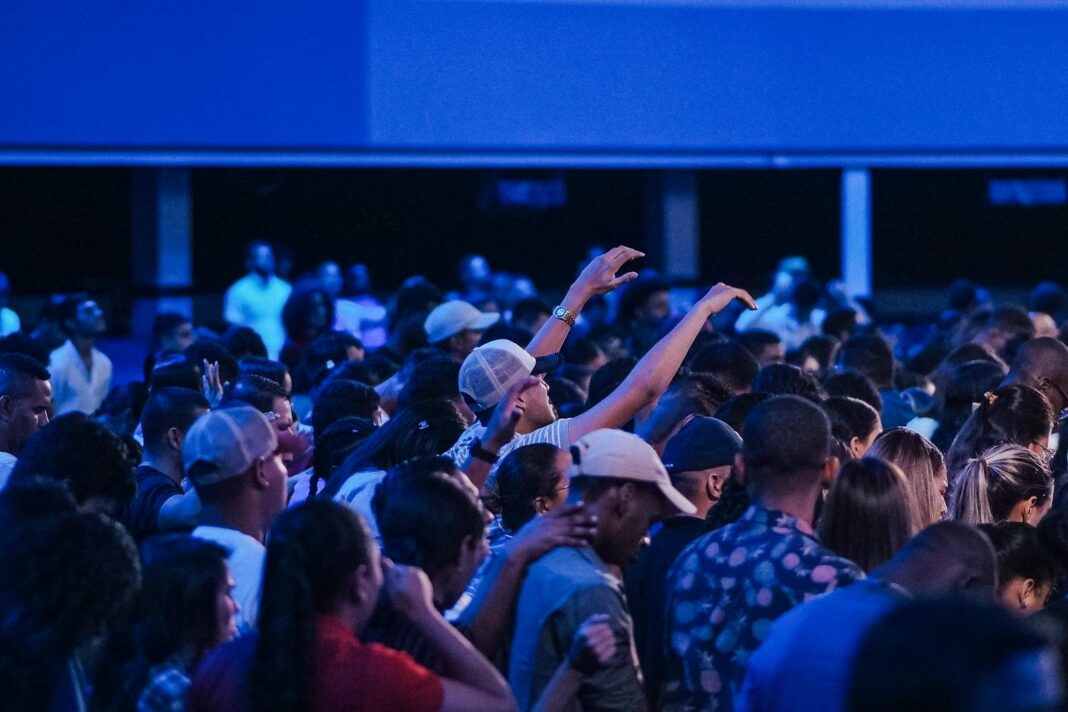


Our screens and stadiums are some of the biggest “pulpits” in the world today. Movies, music, social media, and sports shape how people think, dream, and live. For Christians, that raises a huge question: How do we follow Jesus faithfully in a culture where entertainment often sets the tone—and sometimes the values—of our lives?
The good news is that God is not absent from these spaces. He is raising up men and women who love Christ and serve Him as actors, musicians, filmmakers, writers, athletes, and influencers. At the same time, He’s calling everyday believers like you and me to be wise, discerning, and mission-minded as we engage with culture.
Let’s explore how Christian faith is showing up in entertainment, media, and sports—and what it means for us as followers of Jesus.
1. Entertainment as a Modern Pulpit
For many people today, their deepest emotions are stirred not in a church building, but in a movie theater, through a playlist, or during a binge-watch session. That makes entertainment a powerful place for Christian presence.
Faith on the big and small screen
In recent years, we’ve seen a noticeable rise in faith-based films, series, and documentaries. Productions like The Chosen have shown that biblical storytelling can be both spiritually rich and artistically excellent. Christian filmmakers, writers, and producers are learning to move beyond “message-only” projects to create content that’s both honest about human struggle and clear about the hope of Christ.
This mirrors Jesus’ own approach. He told parables that connected with everyday life—farmers, seeds, coins, parties—stories that people felt in their bones. Then He used those stories to reveal deeper spiritual truths (Matthew 13:34–35). In the same way, a film or show doesn’t need to quote Scripture every minute to point people toward grace, redemption, forgiveness, and sacrificial love.
Actors and artists in a tension-filled space
Christian actors and entertainers often walk a narrow line. They face scripts and roles that may conflict with their convictions, and they navigate an industry that can be skeptical or even hostile toward faith. Some have chosen only family-friendly or explicitly Christian roles. Others feel called into mainstream spaces where they can be “salt and light” (Matthew 5:13–16), bringing integrity, kindness, and Christlike character into tough environments.
Neither path is easy. But their presence matters. When a believer treats colleagues with honesty, stands firm on moral boundaries, or quietly but clearly identifies with Jesus, they bear witness to a different kingdom—even if they never preach a sermon on set.
2. Christian Voices in Music and Media
Words and melodies sometimes reach places that sermons can’t. From hymns sung in small country churches to worship anthems that fill stadiums, Christian music has always been central to our faith. But today, the conversation has expanded into podcasts, social media, and digital platforms of all kinds.
Worship, artistry, and the heart
Christian music is more diverse than ever: worship, hip-hop, rock, gospel, indie, and more. Faith-driven artists are writing songs that confess doubt, wrestle with suffering, and celebrate redemption. The Psalms set a biblical precedent for this kind of honesty—songs that include joy, confusion, grief, and praise, often in the very same chapter (Psalm 13, Psalm 42).
Many Christian musicians wrestle with the tension between “industry pressures” and spiritual authenticity. Do they aim for radio play, or do they simply sing what the Lord puts on their hearts? Ideally, they do both with integrity—crafting excellent music while remembering that their ultimate audience is God, not the charts (Colossians 3:23).
Podcasts, influencers, and digital discipleship
Podcasts, YouTube channels, and Christian influencers on platforms like Instagram and TikTok are shaping how believers think about theology, culture, and everyday life. Some offer biblical teaching; others focus on Christian living, relationships, or mental health from a faith perspective.
This is both an opportunity and a responsibility. James warns teachers that they “will be judged more strictly” (James 3:1). That applies just as much to someone with a million followers as to a pastor in a local church. As listeners and viewers, we’re called to test everything and “hold fast what is good” (1 Thessalonians 5:21), measuring what we hear against the Word of God.
On the positive side, these media voices can:
- Help Christians feel less alone in their struggles
- Bring biblical perspective into daily choices and cultural trends
- Provide evangelistic content that’s easy to share with non-believers
The key is not to replace Scripture and the local church with screens and speakers, but to let digital content strengthen, not substitute, our rootedness in biblical community.
3. Faith on the Field: Christian Athletes and Sports Culture
Sports is one of the most unifying—and emotionally charged—forms of entertainment in our world. Stadiums are today’s cathedrals of passion. Athletes are often treated like heroes or idols. For Christian athletes, that makes the playing field a mission field.
Competing for a greater glory
Scripture uses athletic imagery to describe the Christian life. Paul wrote:
“Do you not know that in a race all the runners run, but only one receives the prize? So run that you may obtain it.”
— 1 Corinthians 9:24
Christian athletes know what it means to train hard, discipline the body, and pursue a goal. Many have found ways to connect their drive to win with a higher purpose: to glorify God. Whether it’s a quiet prayer before a game, a post-game interview that points to Christ, or the way they treat coaches, teammates, and opponents, their faith can shine through.
Some athletes lead Bible studies in locker rooms, start foundations to serve the poor, or use their fame to draw attention to gospel-centered ministries. They remind us that success, fame, and trophies are temporary, but the kingdom of God is eternal.
The danger of idolatry—for fans and players alike
There’s a shadow side too. Sports can become an idol. Our identities can get wrapped up in our team’s performance or our children’s success in youth leagues. Sunday worship can gradually be replaced by tournaments and games. Even Christian athletes can fall into the trap of finding their worth in stats and applause instead of in Christ.
Jesus calls us to “seek first the kingdom of God and his righteousness” (Matthew 6:33). That means sports must stay in their proper place—a good gift, not a god. When Christ comes first, we can enjoy the beauty of competition, teamwork, and physical talent without losing sight of what truly matters.
4. How Everyday Believers Can Engage Culture Faithfully
You might not be an actor, musician, media figure, or pro athlete. But you are still a cultural participant. You watch, you listen, you cheer, you share—and all of that is discipleship territory.
Be discerning in what you consume
Not all content is harmless. Some entertainment normalizes sin, trivializes holiness, or numbs our sensitivity to the Holy Spirit. Paul urges us:
“Whatever is true, whatever is honorable, whatever is just, whatever is pure… think about these things.”
— Philippians 4:8
That doesn’t mean we can only consume “Christian” content, but it does mean we should:
- Ask why we’re drawn to certain shows, music, or games
- Notice how they affect our thoughts, desires, and attitudes
- Be willing to turn something off if it’s pulling us away from Christ
Support and pray for Christian creators and athletes
Believers in entertainment, media, and sports need prayer, encouragement, and support. Their worlds are filled with temptation, compromise, and spiritual warfare. You can:
- Pray regularly for Christians in these fields
- Support projects and content that honor Christ and are artistically strong
- Share testimonies, songs, films, or messages that point others to Jesus
You might not stand on a stage or field, but your choices amplify voices. Every stream, ticket, share, and conversation is a way of saying, “This matters.”
Be a witness right where you are
Ultimately, Christian culture isn’t just about famous names—it’s about everyday believers living out the kingdom of God in ordinary spaces. Your workplace, school, team, or online presence is just as much a mission field as Hollywood or the NFL.
Jesus called us “the light of the world” (Matthew 5:14). That means:
- Carrying Christlike character into your office or classroom
- Speaking with grace and truth in online discussions
- Using your hobbies and interests—whether sports, film, music, or gaming—as bridges to gospel conversations
You may never hold a microphone on stage or hoist a trophy on TV, but heaven sees your quiet faithfulness.
Conclusion: Living for an Audience of One
In a world captivated by screens and stadiums, Christians are called to something deeper: to live for an Audience of One. Whether we create culture or consume it, whether we stand in bright lights or sit in the stands, our call is the same—to love the Lord our God with all our heart, soul, mind, and strength (Mark 12:30), and to shine His light in the places He has put us.
As you watch, listen, play, and cheer this week, ask:
- How is this shaping my heart?
- How can I honor Jesus through what I enjoy and support?
- Who can I pray for or encourage in the worlds of entertainment, media, or sports?
Take a moment today to pray:
“Lord, help me to be wise in what I watch and love. Strengthen and protect believers serving You in entertainment, media, and sports. Show me how to shine for You in my own corner of the world. Amen.”
Then go live boldly, thoughtfully, and joyfully—for the true King behind every story, song, and victory.