


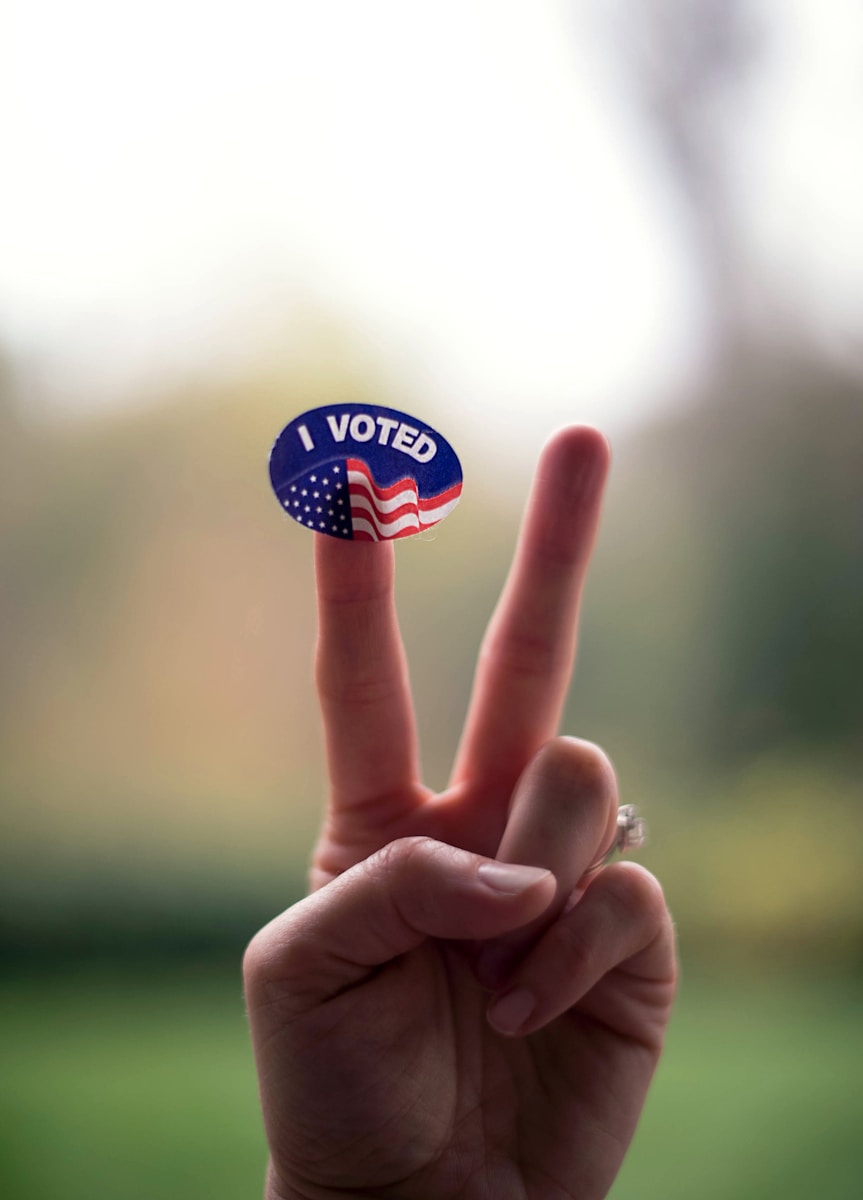

The 2026 Elections and the Christian Vote: What’s at Stake?
As we approach the 2026 midterm elections, our nation stands at a critical crossroads. The political climate is more polarized than ever, with debates over religious liberty, social justice, and economic reform taking center stage. For Christians, this election is not just another date on the calendar—it’s an opportunity to engage in shaping the direction of our country and ensuring that God’s heart for justice, compassion, and righteousness is reflected in the policies of our leaders.
From the role of faith in public life to the pressing issues of social equity and environmental stewardship, the stakes for faith-driven voters could not be higher. As believers, we are called to be salt and light in the world, even in the often murky waters of politics. This article seeks to explore the key issues on the ballot, the challenges we face as a faith community, and how we can approach the 2026 elections with wisdom, grace, and a Christ-centered perspective.
The Christian Vote: A Powerful but Diverse Force
For generations, Christians have been a formidable force in American politics. Evangelicals, Catholics, and other faith-based communities have consistently shaped election outcomes, often representing a significant percentage of the electorate. However, the Christian vote is far from monolithic. It is deeply influenced by denominational differences, generational divides, and racial and cultural diversity, which means that Christians often prioritize different issues at the ballot box.
In 2026, the Christian voteWILL once again play a pivotal role in determining the makeup of Congress and the direction of state governments. Political analysts are already pointing to the faith-based vote as a critical factor in battleground states. Both major parties are actively appealing to Christians, with Democrats emphasizing progressive Christian values and social justice initiatives, while Republicans focus on traditional values, religious freedom, and pro-life policies.
Key Issues for Christian Voters in 2026
As we prepare our hearts and minds for the decisions ahead, it’s important to consider the key issues that are likely to shape the 2026 elections.
1. Religious Freedom
Religious freedom continues to be a cornerstone issue for many Christians. From debates about prayer in schools to faith-based exemptions and the rights of religious organizations, the tension between protecting religious liberty and upholding anti-discrimination laws will undoubtedly remain at the forefront of political discourse. Recent court cases and legislative battles have highlighted the importance of electing leaders who will defend the free expression of faith in the public square.
2. Sanctity of Life
The post-Roe v. Wade landscape has brought the abortion debate to the state level, making it one of the most critical issues for Christian voters in 2026. Pro-life advocates are working diligently to elect leaders who will champion the protection of unborn lives, while pro-choice advocates are mobilizing to safeguard abortion access. This issue will likely be a defining factor, especially in swing states where the balance of power could shift.
3. Social Justice
For many younger Christians, issues of racial reconciliation, criminal justice reform, and poverty alleviation are not just political—they are spiritual. These believers see social justice as a natural outgrowth of their faith and a reflection of Jesus’ call to love our neighbors. Candidates who prioritize addressing systemic inequalities and promoting justice will likely resonate with this growing segment of the Christian electorate.
4. Economic Policies
Economic justice is another area where biblical principles intersect with policy. From addressing income inequality to ensuring access to healthcare and education, many Christians are looking for leaders who will champion policies that uplift the poor and marginalized. These issues reflect the biblical mandate to care for the least of these (Matthew 25:40).
5. Climate Change and Environmental Stewardship
Environmental concerns are gaining traction among Christians, especially younger generations. Many see the call to care for creation as a biblical mandate, rooted in Genesis 2:15, where God entrusts humanity with the stewardship of His creation. As awareness of climate change grows, this issue is expected to play a more prominent role in the 2026 elections than in years past.
Challenges Facing the Christian Vote
Despite its potential to shape the 2026 elections, the Christian vote faces several significant challenges:
- Polarization Within the Church: The church in America is increasingly divided along political lines, with some believers prioritizing traditional values and others focusing on social justice. This division has the potential to weaken the collective influence of the Christian vote.
- Declining Religious Affiliation: Surveys show a growing number of Americans, particularly younger generations, identifying as religiously unaffiliated. While many still hold spiritual beliefs, this trend could diminish the overall impact of the Christian vote.
- Voter Apathy: Midterm elections typically see lower voter turnout compared to presidential elections. For Christians to make an impact, they must overcome apathy and actively engage in the political process.
How Christians Can Make a Difference in 2026
In the face of these challenges, how can Christians faithfully engage in the 2026 elections? Here are five practical steps:
1. Pray for Leaders and the Nation
Scripture calls us to pray for those in authority (1 Timothy 2:1-2). As the elections approach, let us commit to praying for wisdom, discernment, and godly leadership at every level of government. Prayer is not a passive act; it is a powerful way to align our hearts with God’s will and seek His guidance for our nation.
2. Educate Yourself and Others
It’s essential to be informed about the issues and where candidates stand on them. Seek out resources, such as iVoterGuide, that provide faith-based perspectives on elections. Share what you learn with others in your community, encouraging them to vote with knowledge and discernment.
3. Engage in Constructive Dialogue
In today’s polarized climate, it’s easy to fall into the trap of divisive rhetoric. As followers of Christ, we are called to be peacemakers (Matthew 5:9). Engage in respectful conversations, seek to understand differing perspectives, and model Christ’s love in all your interactions.
4. Vote with Wisdom and Integrity
When it comes time to cast your vote, prayerfully consider how each candidate’s policies align with biblical principles. While no candidate or party is perfect, seek to support those who prioritize justice, compassion, and the common good.
5. Trust in God’s Sovereignty
Ultimately, our hope does not rest in political outcomes. While elections are important, they are not the final word. Daniel 2:21 reminds us that God is the one who raises up leaders and brings them down. No matter what happens in 2026, we can trust in His perfect plan.
Faith in Action
The 2026 elections present a pivotal opportunity for Christians to live out their faith in the public square. By praying, educating ourselves, engaging in meaningful dialogue, and voting with integrity, we can help shape the future of our nation in ways that reflect God’s heart for justice, mercy, and righteousness.
As we approach this critical moment, may we remember that our ultimate allegiance is not to a political party or ideology but to the kingdom of God. Let us strive to be salt and light in a world that desperately needs the hope and love of Christ.
“Trust in the Lord with all your heart and lean not on your own understanding; in all your ways submit to him, and he will make your paths straight.”
—Proverbs 3:5-6
May we approach these elections with grace, humility, and unwavering faith, trusting that God’s purposes will prevail. Together, let us rise to the occasion and demonstrate what it means to live as faithful citizens of both heaven and earth.
- Democrats’ strategy to woo voters for 2026: religion
- A church-state crossroad approaches with 2026 elections
- Faith In Focus: 5 Religion Trends To Watch In 2026
- iVoterGuide: Faith-based voter guides for every election