


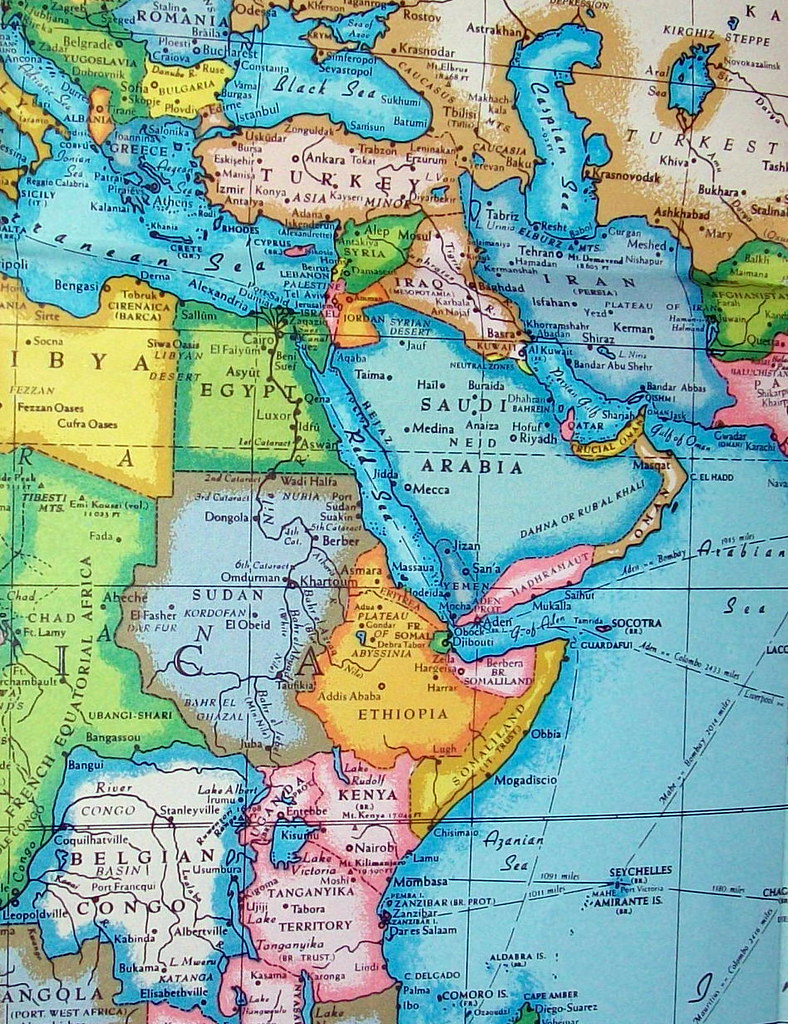

Netanyahu and Arab Nations Urge Trump to Reconsider Military Action Against Iran
In a remarkable convergence of voices from both Israel and the Arab world, Israeli Prime Minister Benjamin Netanyahu has joined diplomats from Egypt, Oman, Qatar, and Saudi Arabia in urging U.S. President Donald Trump to hold off on military action against Iran. This development comes amidst escalating tensions between the U.S. and Iran, sparked by the Iranian regime’s violent crackdown on anti-government protests.
The New York Times was the first to report that Netanyahu personally cautioned Trump against striking Iran during a conversation on Wednesday. The Israeli leader’s intervention underscores the high stakes involved in any potential military engagement with Iran and the shared concerns among regional powers about the consequences of escalating conflict .
A Fragile Moment in U.S.-Iran Relations
The backdrop to this diplomatic intervention is a volatile situation in Iran, where widespread protests against the regime have been met with a brutal crackdown. President Trump had previously warned that the U.S. would consider military action if Iran’s theocratic rulers continued their violent suppression of demonstrators.
Earlier this week, reports from Tehran suggested that the Iranian regime was preparing to execute Erfan Soltani, a protester arrested in his home near Tehran on January 8. Soltani’s case became a flashpoint in the international community’s criticism of Iran’s human rights abuses. However, in a surprising turn of events, the Iranian Judiciary announced on Thursday that it had not issued a death warrant for Soltani, who was originally slated to be executed on Wednesday .
President Trump later revealed that he had received confirmation from sources inside Iran that the regime had halted Soltani’s execution and had ceased killing protesters. This development was seen as a potential de-escalation of tensions, though skepticism remains about the regime’s long-term intentions.
Israel’s Strategic Concerns
Prime Minister Netanyahu’s call for caution is particularly noteworthy given his historically hawkish stance on Iran. As the leader of a nation that has long viewed Iran as an existential threat, Netanyahu has often been a vocal advocate for a tough stance against Tehran’s nuclear ambitions and regional influence.
However, in his conversation with Trump, Netanyahu reportedly urged the U.S. president to “postpone any plans” for a military strike on Iran. According to sources cited by The Times of Israel, Netanyahu expressed concerns about the potential fallout from such an action, including the risk of escalating violence in the region and the possibility of retaliatory attacks against Israel .
Netanyahu’s caution reflects a broader understanding of the delicate balance of power in the Middle East. While Israel and the U.S. share a common interest in countering Iran’s influence, a unilateral military strike could destabilize the region and undermine ongoing diplomatic efforts to address the crisis.
Arab Nations Weigh In
Netanyahu’s plea was echoed by diplomats from several Arab nations, including Egypt, Oman, Qatar, and Saudi Arabia. These countries, which have historically had complex relationships with both the U.S. and Iran, expressed concerns about the potential consequences of a U.S. military intervention.
For these nations, the prospect of a U.S.-Iran conflict raises fears of regional instability and economic disruption. The Middle East is already grappling with multiple crises, including the ongoing war in Yemen, tensions in Syria, and the challenges posed by extremist groups. A new conflict with Iran could exacerbate these issues and further strain regional alliances .
Faith and Diplomacy: A Call for Wisdom
For a faith-based audience, the unfolding events in the Middle East provide a poignant reminder of the importance of seeking peace and exercising wisdom in times of conflict. The Bible calls us to be peacemakers, as Jesus taught in Matthew 5:9: “Blessed are the peacemakers, for they will be called children of God.”
The calls for restraint from Netanyahu and Arab leaders reflect a shared understanding of the need to prioritize diplomacy over military action. Their appeals challenge us to consider how we can contribute to peace in our own lives and communities, even as we pray for wisdom and discernment for world leaders.
The Role of the U.S. in the Middle East
The United States has long played a central role in the Middle East, balancing its relationships with key allies like Israel and Saudi Arabia while addressing the challenges posed by adversaries like Iran. However, the current situation highlights the complexities and risks of U.S. involvement in the region.
President Trump’s threats of military intervention in Iran have drawn both support and criticism. Proponents argue that a strong response is necessary to deter further aggression from Tehran, while critics warn that such actions could escalate into a broader conflict with devastating consequences.
For Christians, this moment is an opportunity to reflect on the biblical principles that should guide our nation’s foreign policy. The Apostle Paul wrote in Romans 12:18, “If it is possible, as far as it depends on you, live at peace with everyone.” This verse challenges us to seek peace and reconciliation, even in the face of complex and challenging circumstances.
The Power of Prayer
As tensions continue to simmer in the Middle East, Christians are called to respond with prayer and faith. The Bible reminds us of the power of prayer to bring about change and to guide our leaders in making wise decisions. In 1 Timothy 2:1-2, Paul urges believers to pray “for kings and all those in authority, that we may live peaceful and quiet lives in all godliness and holiness.”
Let us pray for the leaders involved in this crisis—for President Trump, Prime Minister Netanyahu, and the diplomats from Arab nations—that they may have the wisdom and courage to pursue peace. Let us also pray for the people of Iran, who are facing oppression and violence, that they may find hope and freedom.
A Call for Unity
The situation in Iran serves as a reminder of the importance of unity and collaboration in addressing global challenges. The fact that leaders from Israel and Arab nations have come together to advocate for restraint is a powerful testament to the potential for cooperation, even among nations with a history of conflict.
For Christians, this moment is an opportunity to reflect on the biblical call to unity and reconciliation. As Jesus prayed in John 17:21, “That all of them may be one, Father, just as you are in me and I am in you. May they also be in us so that the world may believe that you have sent me.”
Conclusion: A Path Forward
The appeals from Netanyahu and Arab leaders to President Trump represent a critical moment in the ongoing tensions with Iran. As the world watches and waits, the choices made in the coming days and weeks will have far-reaching consequences for the Middle East and beyond.
For Christians, this moment is an opportunity to live out our faith by advocating for peace, praying for our leaders, and standing in solidarity with those who are suffering. As the Apostle Paul wrote in Philippians 4:6-7, “Do not be anxious about anything, but in every situation, by prayer and petition, with thanksgiving, present your requests to God. And the peace of God, which transcends all understanding, will guard your hearts and your minds in Christ Jesus.”
May we be guided by these words as we seek to navigate the challenges of our time and work toward a future marked by peace, justice, and hope.
Sources:
- Times of Israel: Netanyahu Said to Have Asked Trump to Hold Off on Striking Iran
- New York Times Live Updates: Iran Conflict and U.S. Diplomacy
- New York Times: Israel and Arab Nations Ask Trump to Refrain From Military Action
- Wall Street Journal: Trump Was Told Attack on Iran Wouldn’t Guarantee Results