



US Carrier Shoots Down Iranian Drone as Tensions Escalate and Diplomatic Talks Hit a Snag
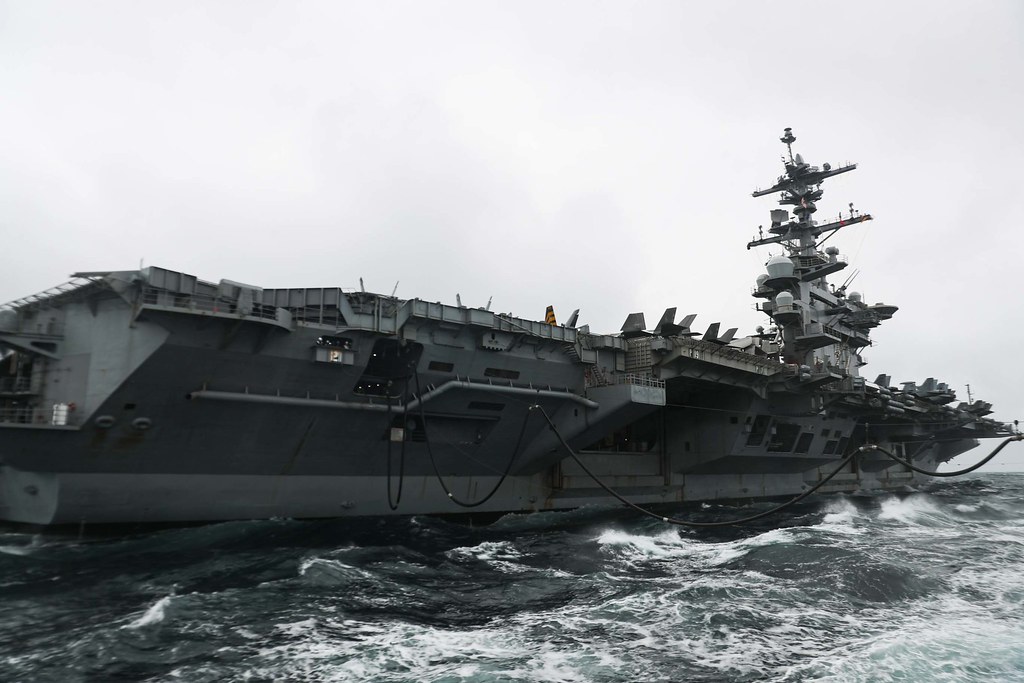
In a dramatic escalation of tensions in the Middle East, the U.S. military confirmed that it shot down an Iranian drone that “aggressively” approached the USS Abraham Lincoln aircraft carrier in the Arabian Sea. The incident occurred on February 2, 2026, and comes at a time when diplomatic efforts between the United States and Iran have reached an impasse, further straining an already fragile relationship.
This latest confrontation underscores the growing volatility in the region and raises questions about the potential for further conflict. For a faith-based audience, it also highlights the importance of seeking peace and justice in a world fraught with division and hostility.
The Incident: What Happened?
According to U.S. military officials, the Iranian drone was detected near the USS Abraham Lincoln as it conducted routine operations in international waters in the Arabian Sea. The drone was reportedly flying in close proximity to the carrier and displayed “aggressive behavior,” prompting an F-35C fighter jet to engage and shoot it down. No American service members were harmed in the incident, and the carrier continued its operations without further incident , .
The Pentagon stated that the action was defensive in nature, aimed at protecting the carrier and its crew from a potential threat. The Iranian government, however, has accused the United States of escalating tensions and violating its sovereignty. Tehran claimed that the drone was conducting routine surveillance operations and posed no threat to the U.S. Navy , .
The Broader Context: Rising Tensions
This incident is the latest flashpoint in a series of confrontations between the United States and Iran. Relations between the two nations have been strained for decades, but tensions have intensified in recent months due to a combination of factors, including Iran’s nuclear program, regional proxy conflicts, and economic sanctions.
Iran’s Nuclear Ambitions
One of the primary sources of tension is Iran’s nuclear program. Despite international efforts to revive the 2015 Iran nuclear deal, negotiations have stalled, with both sides blaming each other for the lack of progress. The United States has accused Iran of failing to comply with its commitments under the agreement, while Iran has criticized the U.S. for imposing additional sanctions , .
Regional Proxy Conflicts
Iran’s involvement in regional conflicts, including its support for proxy groups in Yemen, Iraq, and Syria, has further strained relations with the United States and its allies. The drone incident near the USS Abraham Lincoln is seen by many analysts as a reflection of Iran’s willingness to challenge U.S. military presence in the region .
Economic Struggles and Domestic Unrest
Domestically, Iran is grappling with significant economic challenges, including the devaluation of its currency and widespread protests against the regime. Some experts believe that the regime’s aggressive actions abroad are an attempt to divert attention from internal dissent and rally nationalist sentiment , .
Implications for Regional Stability
The downing of the Iranian drone has raised concerns about the potential for further escalation in the region. While no casualties were reported in this incident, the risk of miscalculation or unintended consequences remains high. Both the United States and Iran have significant military assets in the region, and any escalation could have far-reaching implications for regional stability and global security.
The Role of Diplomacy
Despite the challenges, experts emphasize the importance of diplomacy in preventing further conflict. The United States has called on Iran to de-escalate tensions and return to the negotiating table, while also reaffirming its commitment to protecting its interests and allies in the region. For its part, Iran has demanded the lifting of sanctions as a precondition for resuming talks .
The Human Cost
The ongoing tensions have a profound impact on the lives of ordinary people in the region. From economic hardships to the threat of violence, the human cost of this geopolitical conflict is immense. As Christians, we are called to pray for peace and advocate for policies that prioritize the well-being of all people, regardless of nationality or political affiliation.
A Biblical Perspective on Conflict and Peace
The Bible offers timeless wisdom on how to navigate conflict and pursue peace. Romans 12:18 reminds us, “If it is possible, as far as it depends on you, live at peace with everyone.” This verse underscores the importance of seeking peace, even in the face of hostility.
1. The Call to Pray for Leaders
1 Timothy 2:1-2 urges us to pray for those in authority, that we may live peaceful and quiet lives in all godliness and holiness. In the context of the current tensions, this means praying for wisdom and discernment for leaders on both sides, that they may choose the path of peace over conflict.
2. The Pursuit of Justice
As Christians, we are also called to seek justice and righteousness. Micah 6:8 reminds us to act justly, love mercy, and walk humbly with God. In the case of Iran, this means advocating for the protection of human rights, supporting efforts to address economic inequality, and calling for accountability for those who abuse their power.
3. The Hope of Reconciliation
Ultimately, the gospel is a message of reconciliation—between God and humanity, and among people. As 2 Corinthians 5:18-19 teaches, God has given us the ministry of reconciliation, calling us to be peacemakers in a divided world. This is a powerful reminder of our role as ambassadors of Christ, working to bring healing and hope to a broken world.
Conclusion: A Time for Faith and Action
The downing of an Iranian drone by a U.S. carrier is a stark reminder of the fragile state of international relations and the challenges facing our world today. For people of faith, these events are a call to prayer, reflection, and action. We must seek God’s guidance in navigating these complex issues and advocate for peace, justice, and reconciliation.
As we reflect on these events, let us remember the words of Matthew 5:9: “Blessed are the peacemakers, for they will be called children of God.” In a world marked by division and conflict, may we strive to be agents of peace, bringing light and hope to those in need.
Sources:
- Reuters: US Shoots Down Iranian Drone Approaching Aircraft Carrier
- NBC News: US Military Shoots Down Iranian Drone
- AP News: US Military Says It Shot Down Iranian Drone
- CNN: US Carrier Shoots Down Iranian Drone as Tensions Escalate