
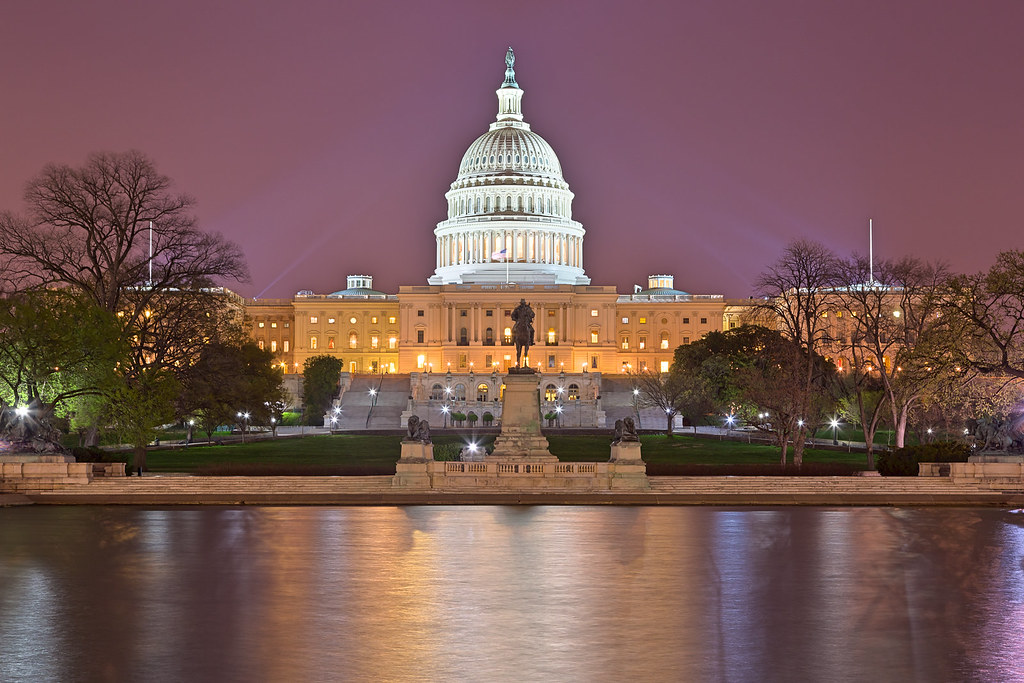

The United States is facing two significant political challenges that have captured the attention of the nation: the ongoing government shutdown and the administration’s controversial call for nationalized voting ahead of the 2026 midterm elections. These issues are not only testing the resilience of American democracy but also raising questions about the role of faith, values, and justice in navigating such turbulent times.
For a faith-based audience, these developments offer an opportunity to reflect on biblical principles of stewardship, justice, and the importance of truth in governance. This article examines the current status of the government shutdown and the implications of a nationalized voting proposal, providing a fact-based analysis to help believers discern their response.
The US Government Shutdown: A Nation at a Standstill
As of February 2026, the United States is in the midst of a partial government shutdown, marking one of the longest in recent history. The shutdown began in January after Congress failed to reach an agreement on funding for key government agencies, including the Department of Homeland Security (DHS) and the Pentagon. While essential services continue to operate, millions of federal workers are either furloughed or working without pay, creating widespread uncertainty and hardship , .
The Causes of the Shutdown
The primary sticking point in negotiations has been funding for homeland security, with Republicans and Democrats deeply divided over issues related to border security and immigration policy. Speaker Mike Johnson has expressed optimism about resolving the impasse, but tensions remain high, and a resolution is not yet in sight .
The Impact on Americans
The shutdown has far-reaching consequences for everyday Americans. National parks are closed, federal benefits are delayed, and economic activity is slowing down as businesses that rely on government contracts face disruptions. For those living paycheck to paycheck, the financial strain is particularly acute. Many are turning to local churches and faith-based organizations for support, underscoring the vital role these institutions play in times of crisis , .
A Biblical Perspective on Stewardship
The Bible calls for wise stewardship of resources and compassionate governance. Proverbs 29:4 states, “By justice a king gives a country stability, but those who are greedy for bribes tear it down.” As Christians, we are called to pray for our leaders (1 Timothy 2:1-2) and advocate for policies that promote justice and care for the vulnerable. The shutdown serves as a reminder of the importance of accountability and the need for leaders to prioritize the common good over partisan interests.
The Push for Nationalized Voting: A Threat to Federalism?
In a move that has sparked widespread debate, the administration has called for the nationalization of voting processes ahead of the 2026 midterm elections. President Donald Trump has argued that Republicans should take control of election systems from individual states, citing concerns about election integrity and the need for uniform standards. Critics, however, view this proposal as an unprecedented power grab that undermines the principles of federalism and state sovereignty , .
The Proposal
The administration’s plan involves federal oversight of voting procedures, including voter registration, ballot design, and the certification of election results. Proponents argue that this would prevent fraud and ensure consistency across states. However, opponents warn that it could lead to increased centralization of power and erode the autonomy of state governments , .
Historical Context
The United States has a long tradition of decentralized elections, with states and localities responsible for administering their own voting processes. This system reflects the federalist principles enshrined in the Constitution, which seek to balance power between the national and state governments. The administration’s proposal represents a significant departure from this tradition and raises questions about the future of American democracy .
Faith and the Future of Democracy
For Christians, these political developments are not just matters of policy—they are moral and spiritual issues that require thoughtful reflection and prayer. The Bible offers timeless principles that can guide our response to these challenges:
1. Justice and Fairness
Micah 6:8 reminds us, “He has shown you, O mortal, what is good. And what does the Lord require of you? To act justly and to love mercy and to walk humbly with your God.” As believers, we are called to advocate for justice and fairness in all areas of life, including governance and elections. This means supporting policies that promote transparency, accountability, and the equal treatment of all citizens.
2. Stewardship and Responsibility
The government shutdown highlights the importance of wise stewardship and responsible leadership. Luke 16:10 teaches, “Whoever can be trusted with very little can also be trusted with much.” Leaders have a responsibility to manage resources wisely and prioritize the needs of the people they serve. As citizens, we can hold our leaders accountable and advocate for policies that reflect biblical values.
3. The Role of Truth
In a time of political polarization and misinformation, the Bible calls us to be people of truth. John 8:32 states, “Then you will know the truth, and the truth will set you free.” Whether it’s the debate over election integrity or the causes of the government shutdown, Christians must seek the truth and base their decisions on facts rather than fear or partisan rhetoric.
Practical Steps for Engagement
For those in the faith community, these challenges present an opportunity to engage in meaningful ways:
1. Pray for Leaders
The Bible commands us to pray for those in authority (1 Timothy 2:1-2). Pray for wisdom, humility, and a spirit of cooperation among our leaders as they navigate these complex issues.
2. Advocate for Justice
Use your voice to advocate for policies that promote justice, fairness, and the common good. Write to your elected representatives, participate in community discussions, and support organizations that align with your values.
3. Stay Informed
Stay informed about the issues and seek out reliable sources of information. Understanding the facts is essential for making informed decisions and engaging in constructive dialogue.
4. Support Those in Need
The government shutdown has left many families struggling to make ends meet. Consider supporting local food banks, charities, or church initiatives that provide assistance to those affected.
Conclusion: A Call to Faithful Citizenship
The ongoing government shutdown and the push for nationalized voting are significant challenges that test the resilience of American democracy and the values we hold dear. For Christians, these issues are an opportunity to live out our faith by advocating for justice, truth, and compassion.
As we navigate these uncertain times, let us remember the words of Proverbs 21:1: “In the Lord’s hand the king’s heart is a stream of water that he channels toward all who please him.” With God’s guidance, we can work toward a future that reflects His kingdom values and honors His call to love our neighbors as ourselves.
Sources:
- Federal News Network: What to Know About the Partial Government Shutdown
- The Guardian: Partial US Government Shutdown Likely to Continue
- Bloomberg: Trump Says Republicans Should Federalize State Voting
- NY Times: Trump Calls for Nationalized Elections