


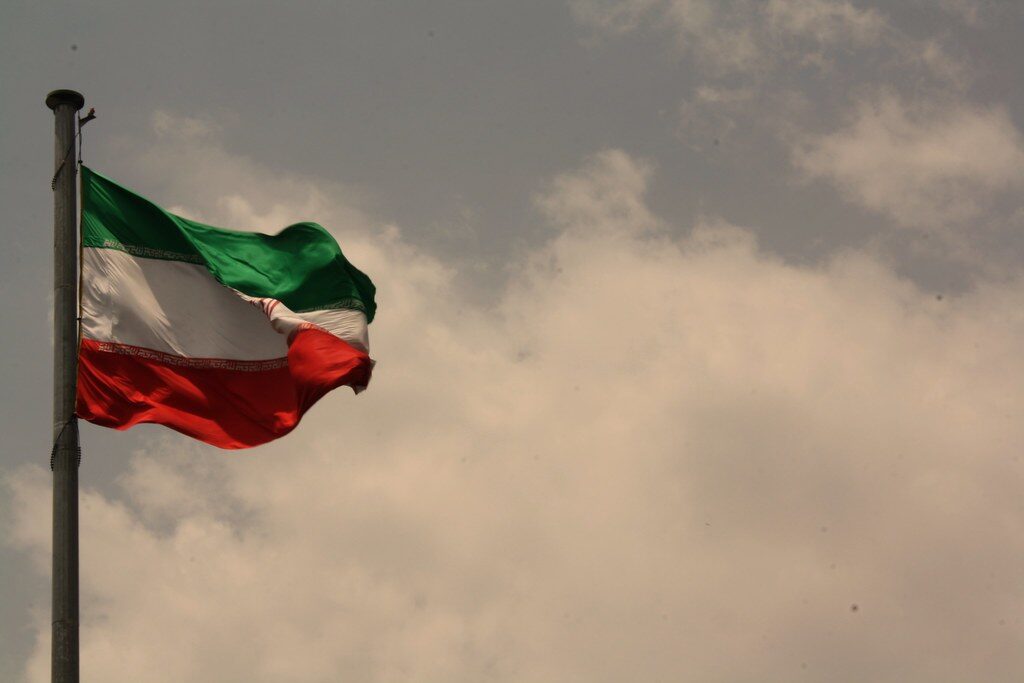

Diplomatic negotiations between the United States and Iran have once again taken center stage, as both nations attempt to navigate the complexities of nuclear agreements and geopolitical tensions. With the talks in Geneva showing slow progress, questions arise about how long former President Donald Trump, who remains an influential voice in U.S. foreign policy, will support diplomacy over more aggressive measures. This moment calls for not only strategic decision-making but also faith-filled discernment in approaching such high-stakes negotiations.
The State of the Talks
The ongoing discussions in Geneva focus on reviving a nuclear agreement between the United States and Iran. Iranian officials have indicated that “good progress” has been made, with both sides reportedly reaching an understanding on certain “guiding principles” for future agreements. However, significant differences remain, particularly regarding sanctions relief and Iran’s uranium enrichment activities.
Former President Trump, who has been critical of past U.S. approaches to Iran, has expressed skepticism about the talks. While he has not taken a direct role in the negotiations, his influence looms large, and his public comments suggest a growing impatience with the pace of diplomacy. Trump has warned against what he perceives as concessions to Iran, emphasizing the need for a deal that ensures the safety and security of the United States and its allies.
Sources: CNN ^^1, Al Jazeera ^^2
The Role of Faith in Diplomacy
From a Christian perspective, this moment serves as a reminder of the importance of seeking peace and pursuing justice in a fallen world. The Bible calls believers to be peacemakers, as Jesus said in Matthew 5:9, “Blessed are the peacemakers, for they will be called children of God.” Diplomacy, at its best, is an act of peacemaking—an effort to resolve conflicts without resorting to violence or war.
At the same time, Scripture also emphasizes the importance of discernment and wisdom in leadership. Proverbs 16:12 says, “Kings detest wrongdoing, for a throne is established through righteousness.” As leaders navigate these negotiations, they must balance the pursuit of peace with the need to uphold justice and protect the innocent.
This is particularly relevant when considering Iran’s history of supporting militant groups and pursuing nuclear capabilities that could threaten global stability. Leaders must ask themselves: Are we advancing peace, or are we enabling harmful behavior?
Sources: NBC News ^^3, The Guardian ^^4
Challenges Ahead: Balancing Peace and Accountability
The path forward is fraught with challenges. On one hand, a diplomatic resolution could prevent further escalation and foster stability in the Middle East. On the other hand, critics argue that a weak agreement could embolden Iran and undermine the security of U.S. allies, particularly Israel.
For Christians, this is a moment to pray for wisdom and guidance for global leaders. James 1:5 reminds us, “If any of you lacks wisdom, you should ask God, who gives generously to all without finding fault, and it will be given to you.” By seeking God’s wisdom, leaders can make decisions that align with His will and promote true peace.
Furthermore, this is an opportunity for believers to reflect on their own role in promoting peace and justice. Are we praying for our leaders? Are we advocating for policies that reflect God’s heart for justice and reconciliation?
A Call to Prayer and Action
As the world watches the unfolding negotiations, it is crucial to remember that true peace cannot be achieved through human effort alone. Psalm 46:9-10 declares, “He makes wars cease to the ends of the earth. He breaks the bow and shatters the spear; He burns the shields with fire. He says, ‘Be still, and know that I am God.’”
In this time of uncertainty, let us commit to prayer—for wisdom for our leaders, for peace in the Middle East, and for God’s will to be done on earth as it is in heaven. Let us also strive to be peacemakers in our own communities, reflecting God’s love and justice in all that we do.
The Iran talks are a pivotal moment in global diplomacy, with implications for peace and security worldwide. As Christians, we are called to engage with these issues through the lens of faith, seeking God’s wisdom and guidance in navigating the complexities of international relations. By doing so, we can play a part in advancing peace and justice in a world that desperately needs both.
Sources:
- CNN: As Iran Talks Drag On, Trump and Diplomacy
- Al Jazeera: Iran Hails Progress in Nuclear Talks
- NBC News: U.S. and Iran Tout Progress in Nuclear Talks
- The Guardian: Iran-US Talks Reach Agreement on Guiding Principles